Table of Contents
1 Roast topside of beef with balsamic beetroot, buttered Savoy cabbage and red wine gravy

Once autumn hits, my weekend thoughts turn to a Sunday roast. For many of us, myself included, the Sunday roast evokes memories of the family gathered around the table, often several generations at once. In today’s recipe I’m not going to reinvent the wheel; instead, I’m offering a couple of sides with a twist that go beautifully with the lovely topside of beef sitting in my fridge. I’ve added my simple method for cooking the beef, but you may well have your own tried and tested approach. I haven’t included recipes for roasties or Yorkshire puddings, as I think the world and his wife already have their own for these roast dinner favourites.
There’s also a simple timing plan below, so everything lands on the table hot and at the same time.
2 What Makes This Sunday Roast Different
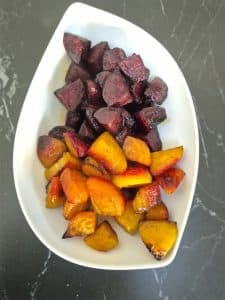
The beef is classic; the twist is on the side of the plate. Instead of the usual roast carrots and parsnips, there’s balsamic roasted beetroot, sweet and earthy with a sticky honey and balsamic glaze, and buttered Savoy cabbage, which takes ten minutes and soaks up the gravy. Both are autumn vegetables at their best from October onwards, and the deep red and gold of the beetroot looks spectacular next to pink slices of beef.
Using a mix of red and golden beetroot gives the dish a lovely contrast. Golden beetroot is slightly milder and sweeter, and it doesn’t bleed, so keep the two colours apart on the tray if you want the golden pieces to stay golden.


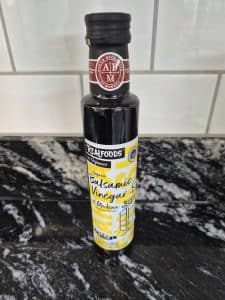
The topside, the beef bone broth for the gravy, the red and golden beetroot, the Savoy cabbage, the butter and the balsamic vinegar all came from Wylde Market, the UK’s online farmers’ market.
3 Why Topside of Beef Is a Great Sunday Roast Joint
Topside comes from the inside of the back leg. It’s lean, good value compared with sirloin or rib, and it carves into neat, thin slices, which makes it one of the most popular roasting joints in the UK. Because it has very little fat or connective tissue, it’s at its best cooked to medium-rare or medium and sliced thinly across the grain. Cooked well done, it can become dry.
Searing the joint before it goes into the oven builds a browned, flavourful crust and gives you darker, tastier pan juices for the gravy. Sitting the beef on a trivet of halved carrots lifts it out of the fat, lets the heat circulate, and flavours the juices too.
If you’d rather a slow-cooked centrepiece that’s almost impossible to overcook, try my slow-cooked beef brisket Sunday roast.
4 Roast Beef Temperature Guide
A meat thermometer is the most reliable way to roast topside exactly how you like it. Insert it into the thickest part of the joint and take the beef out of the oven at the temperature below. It will rise by a few degrees while it rests.
| How you like it | Remove from the oven at | Approx. time at 160°C fan (1kg seared topside) |
|---|---|---|
| Rare | 50°C (122°F) | 1 hour–1 hour 5 minutes |
| Medium-rare (best for topside) | 54°C (129°F) | About 1 hour 15 minutes |
| Medium | 60°C (140°F) | 1 hour 25 minutes |
| Well done | 70°C (158°F) | 1 hour 35–45 minutes |
5 How to Time Your Sunday Roast (One Oven)
The beef roasts low at 160°C fan and the beetroot likes it hotter at 200°C fan. Here’s how to get everything on the table together with one oven, whatever time you want to eat: the countdown runs down to zero, when you serve. Slot your own roast potatoes and Yorkshire puddings in when the oven goes back up. Obviously, if you’re not cooking the beef or you have two ovens, just roast the beetroot at 200°C fan throughout.
| Time before serving | What to do |
|---|---|
| 2 hr 20 min | Take the beef out of the fridge. Peel and chop the beetroot, and shred the cabbage. |
| 2 hr | Beetroot into the oven at 200°C fan. |
| 1 hr 45 min | Turn the oven down to 160°C fan. Sear the beef, sit it on the carrots and put it in alongside the beetroot. |
| 30 min | Beef out to rest under foil (check the temperature first). Turn the oven back up to 200°C fan, or as your roast potato and Yorkshire recipes need, so the beetroot finishes and colours at the edges. Start the gravy: put the roasting tin on the hob, pour in the red wine and let it bubble for 2–3 minutes, scraping up the browned bits. |
| 25 min | Stir the flour paste into the gravy, add the bone broth and simmer gently, stirring now and then. Put a large pan of salted water on to boil for the cabbage. |
| 15 min | Cabbage into the boiling water for 5 minutes, then drain and butter it. Warm the balsamic glaze in a small pan. |
| 5 min | Glaze the beetroot. Add the resting juices to the gravy, season and strain into a warm jug. Carve the beef. |
| 0 | Serve. |
6 Tips for Roasted Beetroot, Savoy Cabbage and Red Wine Gravy


Peel the beetroot before roasting. You can slip the skins off after roasting, but then you have to wait for them to cool. Peeling first means they go straight from the oven into the serving dish.
Wear gloves. Disposable vinyl gloves save your hands from being dyed a deep shade of red. An apron is a good idea too.
Line the tray with foil. Beetroot bleeds as it roasts, and the juices stain and stick to the tray.
Cut evenly. Quarter medium beetroot, halve small ones and cut large ones into sixths, so everything is tender at the same time.
Keep the glaze gentle. Warm the balsamic and honey over a low heat until it’s just syrupy. Boiled hard, it can catch and turn bitter.
Don’t overcook the cabbage. Savoy cabbage should be tender but still bright green. Drain it really well before it goes into the butter, otherwise the butter turns watery.
Make the red wine gravy in the roasting tin. The browned bits left behind by the seared beef and the carrot trivet carry most of the flavour, so scrape them up as the wine bubbles. Use a red you’d happily drink, and strain the gravy at the end for a smooth finish.
7 What to Serve with Your Sunday Roast
Alongside the beetroot and cabbage, all you need are crisp roast potatoes, Yorkshire puddings, a jug of red wine gravy made in the roasting tin (recipe below), and a spoonful of hot horseradish or English mustard. A medium-bodied red such as a Côtes du Rhône or a Rioja works well with both the beef and the sweet, earthy beetroot. The gravy is adapted from my sausage and mash with red wine onion gravy, without the onions.
8 Storing Leftovers
Leftover roast beef keeps in an airtight container in the fridge for up to 3 days, and makes the best sandwiches with horseradish and watercress. Sliced and well wrapped, it freezes for up to 2 months. The balsamic beetroot keeps in the fridge for 3–4 days and is excellent cold, tossed through a salad with goat’s cheese and walnuts. The buttered cabbage is best eaten on the day, though leftovers are perfect fried up in bubble and squeak.
9 Sunday Roast FAQs
What is a traditional Sunday roast?

A traditional Sunday roast is a British meal of roasted meat, usually beef, lamb, chicken or pork, served with roast potatoes, seasonal vegetables and gravy. Beef is traditionally served with Yorkshire puddings and horseradish. The custom of a family roast after church on a Sunday dates back centuries and is still a weekend ritual in homes and pubs across the UK.
What is the best joint of beef for a Sunday roast?
Rib of beef and sirloin are the most luxurious choices, while topside and silverside are leaner and better value. Topside is a great all-rounder: it carves neatly into thin slices and is at its best served medium-rare to medium. For a slow-cooked alternative, brisket is very forgiving.
How long does it take to cook a 1kg topside of beef?
Seared and roasted at 160°C fan, a 1kg topside takes about 1 hour 15 minutes for medium-rare and up to 1 hour 45 minutes for well done, plus 20 minutes resting. Every oven is different, so a meat thermometer is the most reliable guide: take it out at 54°C for medium-rare or 60°C for medium.
Should you sear beef before roasting?

Yes. Searing the joint in a hot pan before roasting builds a browned crust with lots of flavour, and gives you darker, richer pan juices for the gravy. It only takes 8–10 minutes.
How do you keep topside of beef tender?
Don’t overcook it, rest it for 20 minutes, and slice it thinly across the grain. Topside is lean, so it’s best kept to medium-rare or medium. Taking it out of the fridge 30–40 minutes before cooking also helps it cook evenly.
How long should roast beef rest?
Rest a 1kg joint for about 20 minutes, loosely covered with foil. Resting lets the juices settle back into the meat, so they end up on your plate rather than the chopping board, and frees up the oven for the potatoes and Yorkshires.
Why do you roast beef on a carrot trivet?
Sitting the joint on halved carrots lifts it out of the fat so the heat can circulate underneath, stops the base stewing, and flavours the pan juices for the gravy. It’s optional, and onions or celery work too.
What vegetables go with a Sunday roast?
Classic choices include roast carrots and parsnips, peas, green beans, braised red cabbage and cauliflower cheese. For a twist, balsamic roasted beetroot and buttered Savoy cabbage are both in season through autumn and winter and go beautifully with roast beef.
Do you need to peel beetroot before roasting?
No, but it makes life easier. You can roast beetroot whole in its skin and rub the skins off once cooled, but peeling and chopping first means it roasts faster and goes straight from the oven to the table. Wear gloves to avoid stained hands.
How do you make red wine gravy for roast beef?
Make it in the roasting tin while the beef rests. Pour in 150ml red wine and let it bubble for 2–3 minutes, scraping up the browned bits, then stir in a tablespoon of plain flour mixed with a little cold water. Add 300ml beef bone broth or stock, simmer for 5–10 minutes until thickened, then add the resting juices, season and strain into a warm jug.
How do you stop Savoy cabbage going soggy?
Shred it into even 1cm ribbons, boil it for no more than 5 minutes so it stays bright green, and drain it really well before tossing it in melted butter. Cook it at the last minute, as it doesn’t hold well.
Can I prepare a Sunday roast in advance?
Yes, much of it. You can peel and chop the beetroot and shred the cabbage in the morning, and keep them covered in the fridge. The balsamic glaze can be made ahead and warmed through. The beef is best roasted on the day.
How long does leftover roast beef keep?
Cooked roast beef keeps for up to 3 days in an airtight container in the fridge, or up to 2 months in the freezer, sliced and well wrapped. Leftover balsamic beetroot keeps for 3–4 days in the fridge.
Sunday Roast with a Twist: Topside of Beef & Balsamic Beetroot
Print RecipeIngredients
- Roast topside of beef
- 1kg (2.2 lb) topside of beef
- 1 tsp olive oil
- Sea salt and freshly ground black pepper
- 2 carrots, unpeeled, halved lengthways (optional, for the trivet)
- Balsamic roasted beetroot (serves 4 as a side)
- 700–750g (1½–1⅔ lb) raw beetroot; I used a mix of red and golden 2 tbsp olive oil
- 2 tbsp olive oil
- Celery salt and freshly ground black pepper
- Balsamic glaze
- 3 tbsp balsamic vinegar
- 1½ tbsp runny honey
- Buttered Savoy cabbage (serves 4 as a side)
- ½ Savoy cabbage, sliced with the core removed
- 50g (3½ tbsp) butter, plus a small knob to serve
- Sea salt and freshly ground black pepper or white pepper
- Red wine gravy
- 150ml (⅔ cup) drinkable red wine
- 300ml (1¼ cups) beef bone broth or beef stock
- 1 tbsp plain (all-purpose) flour
- 1 tbsp butter (only if the roasting tin is dry)
- Resting juices from the beef
- Sea salt and freshly ground black pepper
- A few sprigs of fresh thyme (optional)
Instructions
Roast topside of beef
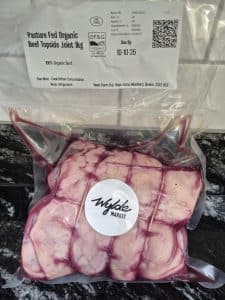
Take the beef out of the fridge 30–40 minutes before you start, so it cooks evenly. Preheat the oven to 160°C fan (180°C conventional / 350°F / gas 4).
Rub the olive oil over the beef, then season it generously all over with sea salt and black pepper.
Heat a frying pan over high heat and sear the beef on all sides, including the ends, until well browned. This takes about 8–10 minutes in total.
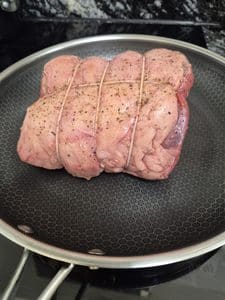
This step is optional, but I like to make a vegetable trivet for the beef to sit on. Halve the carrots lengthways (no need to peel them), lay them in the base of a roasting tin and sit the beef on top.
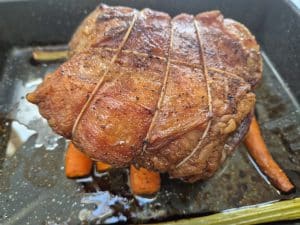
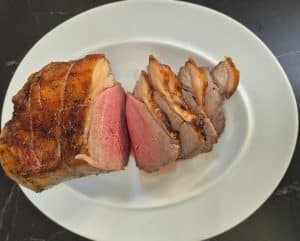
Roast for about 1 hour 15 minutes for medium-rare, or up to 1 hour 45 minutes for well done. All ovens are different, so a meat thermometer is the best way to get an accurate result; see the temperature guide above.
Remove the beef from the oven, cover loosely with foil and leave to rest for 20 minutes. Don’t forget to add the resting juices to your gravy. Carve into thin slices across the grain to serve.
Balsamic roasted beetroot
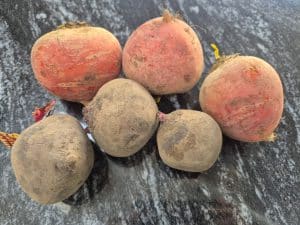
Preheat the oven to 200°C fan (220°C conventional / 425°F / gas 7). Top tip: wear disposable vinyl gloves when preparing beetroot; it saves your hands being dyed a deep shade of red.
Slice a thin piece off the top and the tail of each beetroot, then remove the skin with a vegetable peeler. You can peel them after roasting instead, but then you have to wait for them to cool.
Cut the beetroot into even pieces: quarter medium beetroot, halve small ones and cut large ones into sixths.
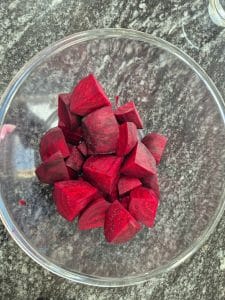
Line a baking tray with foil, as the beetroot will bleed into the tray as it cooks. Add the beetroot, keeping golden and red apart if you’re using both, so the golden stays golden. Drizzle with the olive oil, turning the pieces so they’re all coated, then season well with celery salt and black pepper.
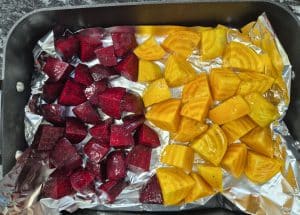
Roast for 1 hour to 1 hour 10 minutes, turning halfway, until tender. Check from 50 minutes by inserting a knife into the beetroot; it should slide in easily. If you roast at 180°C fan, allow about 1 hour 20 minutes. Transfer to a serving dish.
For the balsamic glaze, put the balsamic vinegar and honey in a small pan and heat gently for about 5 minutes until slightly syrupy. Don’t let it boil hard. Remove from the heat, pour over the roasted beetroot and toss to coat.
Buttered Savoy cabbage
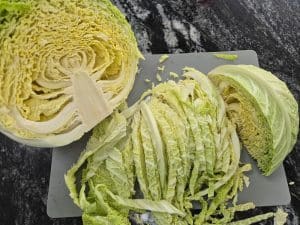
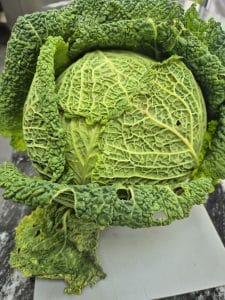
Remove any tough or damaged outer leaves from the cabbage. Cut the half cabbage in half again, cut out the hard core, then slice into ribbons about 1cm (½in) wide.
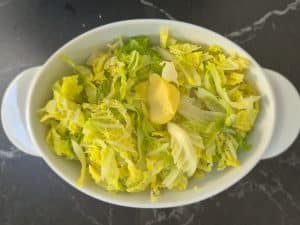
Fill a large saucepan with salted water and bring to the boil. Add the cabbage and boil for 5 minutes, until tender but still bright green. Drain in a colander, shaking off as much water as you can.
Add the butter to the empty saucepan and melt it gently over a low heat. Return the cabbage to the pan and turn it gently until it’s coated in the butter, then season with sea salt and black pepper. Tip into a serving dish and top with a small knob of butter.
Red wine gravy
Once the beef is out of the oven and resting, lift out the carrots (or leave them in and squash them with a masher for extra flavour) and put the roasting tin over a medium heat on the hob. If your tin can’t go on the hob, scrape everything into a saucepan. If the tin looks dry, add the butter.
Pour in the red wine, turn the heat up slightly and let it bubble for 2–3 minutes, scraping up the browned bits from the bottom of the tin, so the alcohol cooks off and the wine reduces.
Mix the flour with 2 tbsp cold water to a smooth paste, stir it into the tin and cook for about a minute.
Add the bone broth or stock and bring to a simmer. Cook for 5–10 minutes, stirring, until the gravy thickens to your liking. Add the thyme now if you’re using it.
Pour in the beef resting juices, season with sea salt and black pepper, then strain into a warm jug to serve.