Table of Contents
1 Tender, Sliceable Brisket Braised in Red Wine – Perfect for a Traditional Roast Dinner

Updated October 2026
As regular readers of my recipes will know, I have a passion for slow-cooked meat dishes. There’s something deeply satisfying about making a slow-cooked dish that, after a few hours in the oven, transforms into something truly delicious – the meat falling apart in a thick gravy, rich with flavour. It’s the kind of cooking that makes the house smell incredible and brings everyone to the kitchen.
One cut of meat I rarely cook is beef brisket. There’s no real reason for this – I tend to reach for beef cheeks when I want something for slow cooking. However, I recently found myself browsing Wylde Market, an online food platform that celebrates and promotes produce from small producers across the UK. The market features fish, meat and vegetables from small farmers, fishermen and producers, each with their own story to tell about their offerings. Please do check it out – I’ve included a link at the bottom of this recipe.
Whilst scrolling through the site, I spotted retired dairy rolled beef brisket. Before I knew it, I’d purchased a beautiful 2kg joint for around £40. Since I’d planned to cook it for the family on Boxing Day, I popped it straight in the freezer – brisket freezes well for up to three months, so there’s no rush.


As this was an impulse buy, I didn’t have a plan for how to cook this lovely-looking joint. Most brisket recipes I found online focused on summer-style slow cooking in smokers with various spice rubs. My vision was different. I wanted something to serve with traditional roast dinner accompaniments – roast potatoes, Yorkshire puddings, seasonal vegetables, and proper gravy. Something different that would work well as a centrepiece of a traditional British Sunday roast.
My loose plan stemmed from the fact that this was a rolled joint. I hoped that if I slow-cooked it carefully, it would still be firm enough to slice like a traditional roasted joint of beef, but so tender and soft it would melt in the mouth. I’d previously cooked brisket that wasn’t rolled, braising it until it was soft enough to shred in sauce and serve in bread rolls – similar to pulled pork, I think I cooked it that time in a smoky BBQ sauce. This time, I wanted elegant slices.
Luckily for me, my plan worked perfectly. The rolled joint of retired dairy beef brisket, slow-cooked in beef stock and red wine for about five to six hours, sliced beautifully whilst remaining incredibly soft and full of flavour. I was delighted with the outcome and received many compliments from the assembled guests. As I struggled to find a simple recipe during my online searches, I decided to put metaphorical pen to paper and share this recipe with you, which, obviously, you know, since you’re now reading this.
I do hope you try this. Whilst it’s long-winded in terms of cooking time, my recipe is incredibly easy to follow and well worth the wait. In the following sections, I’ve included helpful hints, tips and general information about cooking beef brisket, along with some alternative options. I’ve also written detailed a guide to cooking a topside of beef which you can see here.
2 What is Beef Brisket?
Beef brisket comes from the lower chest area of the cow, a hard-working muscle that supports a significant portion of the animal’s body weight. Because this muscle gets plenty of exercise, it develops a lot of connective tissue, which means it can be tough if cooked quickly. However, this same connective tissue is what makes brisket absolutely perfect for slow cooking – all that collagen breaks down during the long, gentle cooking process, creating incredibly tender, flavourful meat and contributing to a rich, unctuous gravy.
In the UK, brisket has traditionally been associated with salt beef and Jewish cooking, where it’s cured and slowly simmered. More recently, American-style smoked brisket has become popular, with barbecue enthusiasts spending hours tending their smokers to achieve that perfect bark and smoke ring. But I think we’ve been overlooking brisket’s potential as a British roasting joint – and that’s exactly what this recipe addresses.
3 Why Choose Brisket for Your Sunday Roast?
When most people think of Sunday roast beef, they reach for topside, silverside, or rib of beef. These are all excellent choices, but brisket offers something different. It’s more forgiving than leaner cuts – you don’t need to worry about it drying out during cooking, and the internal marbling means every slice is packed with flavour.
The key advantage of brisket is value for money. A good quality rolled brisket typically costs significantly less than rib of beef, yet when cooked properly, it delivers a depth of flavour that rivals any premium cut. The slow cooking process also means you can get on with other things whilst dinner takes care of itself in the oven.
There’s also something wonderfully nostalgic about serving brisket. It was a popular choice in British households before the rise of supermarket-dominated shopping, when home cooks knew how to make the most of more economical cuts. By bringing brisket back to the Sunday table, we’re reconnecting with that tradition whilst enjoying genuinely superior eating.
4 Choosing the Right Brisket
Rolled vs. Flat Brisket
For this recipe, I specifically recommend a rolled brisket joint. The rolling helps the meat maintain its shape during the long cooking time, which means you can slice it like a traditional roast rather than shredding it. If you can only find flat brisket, the recipe will still work beautifully, but you’ll likely end up with meat that’s better suited to pulling apart – perfect for sandwiches or serving in the braising liquid.
What is Retired Dairy Beef?
The brisket I used came from a retired dairy cow, which is well worth seeking out. Retired dairy cattle have had longer lives than beef cattle, which means their meat has developed more flavour – similar to how aged beef tastes richer than young beef. The meat tends to have excellent marbling and a deeper, more complex taste. Many small producers and farm shops now stock retired dairy beef, and online platforms like Wylde Market make it accessible to everyone. Spain is famous for its Txuleta steaks, which come from aged dairy cows, thankfully the UK is waking up to the flavour sensation that dairy cows bring.
How Much Brisket Per Person?
As a general guide, allow around 200-250g of raw brisket per person. Brisket does shrink during cooking as the fat renders and moisture evaporates, so it’s better to have a bit too much than not enough. A 2kg joint comfortably serves eight to ten hungry people with plenty left over for sandwiches the next day.
5 The Importance of the Red Wine Marinade
Marinating the brisket in red wine before cooking isn’t strictly essential, but I do think it makes a real difference. The wine begins to tenderise the meat and infuses it with flavour right from the start. I marinated mine overnight – at least four hours is good, but longer is better if you have the time.
Use a decent red wine for the marinade – nothing you wouldn’t drink yourself. A full-bodied wine like a Merlot, Cabernet Sauvignon, or a good Côtes du Rhône works particularly well with beef. You’ll need a full bottle (750ml), which does the double duty of flavouring the meat and then becoming part of the braising liquid.
Make sure you reserve the wine after draining – don’t tip it away! This wine goes back into the pot and reduces to create the most wonderful, rich gravy. The alcohol cooks off, leaving just the concentrated wine flavour.
6 The Slow-Cooking Method
The key to perfect brisket is low and slow – a moderate oven temperature (150°C) and plenty of time. Five to six hours might seem like a long time, but most of that is hands-off. You’ll need to turn the joint a few times during cooking, but otherwise, the oven does all the work.
I rolled and turned my brisket about four times during cooking. This ensures even cooking and allows different parts of the meat to spend time submerged in the braising liquid. Every joint is different, so use your judgement – you’re looking for meat that’s tender when pierced with a fork but still holds its shape.
The stock and wine shouldn’t completely cover the joint – mine sat about halfway up the meat. This allows the top to develop a slightly caramelised exterior whilst the bottom braises in the liquid. The turning ensures everything cooks evenly.
7 Resting the Meat and Making the Gravy
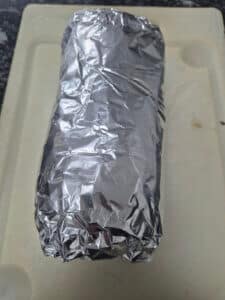
Once cooked, remove the joint from the braising liquid and wrap it tightly in foil. The beauty of brisket is that it stays warm for a surprisingly long time – a couple of hours wrapped in foil won’t hurt it at all. This gives you plenty of time to prepare your accompaniments and, crucially, to sort out the gravy.

Transfer the braising liquid to a bowl and pop it somewhere cool. After a while, you’ll see a layer of fat forming on top. This needs to be skimmed off with a spoon – it’s delicious fat, but too much will make the gravy greasy. Once defatted, reheat the liquid and add a tablespoon of onion chutney or redcurrant jelly to add a touch of sweetness that balances the wine’s acidity.
I left the braised onions in my gravy – they break down during the long cooking time and add body and flavour. If you prefer a smoother gravy, you can strain them out, but I think they’re delicious.
8 What to Serve with Slow-Cooked Brisket
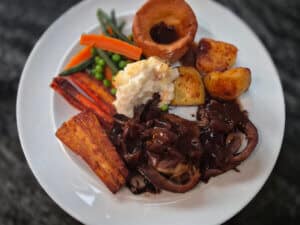
This brisket is designed to be the star of a traditional British roast dinner, so all the classic accompaniments work beautifully. On Boxing Day, I served mine with crispy roast potatoes cooked in beef dripping, Yorkshire puddings (essential with beef, in my opinion), honey roasted parsnips and carrots, cauliflower in white sauce, fresh vegetables and finally thick beef and red wine gravy. The family demolished the lot.
Roast potatoes – Crispy on the outside, fluffy inside. I always use goose fat or beef dripping for the best results. Par-boil them first, give them a good shake to rough up the edges, then roast in smoking hot fat.
Yorkshire puddings – Non-negotiable with beef, as far as I’m concerned. Make sure your oil is smoking hot before adding the batter, and don’t open the oven door until they’re done.
Seasonal vegetables – In winter, think roasted parsnips, braised red cabbage, buttered carrots, and Brussels sprouts (even the sprout-haters might come round if you fry them with bacon). In spring, tender stem broccoli, asparagus, and fresh peas work wonderfully. As well as fresh vegtables I served honey-roasted parsnips and carrots-see below, they’re delicious, even if I do say so myself.

Mashed potato – If you prefer mash to roasties, a generous helping with plenty of butter works beautifully. I’d suggest adding a spoonful of horseradish to the mash – the gentle heat cuts through the richness of the beef.
Horseradish sauce – The classic beef accompaniment. I always put a pot on the table and let people help themselves.
English mustard – For those who like a bit of fire with their beef, Dijon also works well as a slightly milder option.
9 Slow-Cooked Brisket Variations
Adding Root Vegetables
You could add chunky carrots, celery, and additional onions to the pot for the final two hours of cooking. They’ll absorb all those wonderful meaty, winey flavours and serve as part of the meal.
Beer Instead of Wine
For a different flavour profile, try marinating and braising in a dark ale or stout instead of red wine. The malty sweetness works beautifully with beef and creates a slightly different but equally delicious gravy.
Pulled Brisket
If your brisket isn’t rolled, or if you fancy a change, cook it for an extra hour until it falls apart easily, then shred it with two forks. Serve in the braising liquid in soft rolls for a fantastic alternative to pulled pork.
10 Make-Ahead Tips and Storage
Brisket is an excellent make-ahead dish – some would argue it’s even better the next day once the flavours have had time to develop.
To prepare ahead
Cook the brisket completely, then let it cool in the braising liquid. Refrigerate overnight in a covered container. The fat will solidify on top and can be easily removed. To serve, slice the cold brisket (it slices more neatly when cold), arrange in an ovenproof dish, pour over the defatted gravy, cover with foil, and reheat at 160°C for 30-40 minutes.
Storage
Cooked brisket keeps for 3-4 days in the refrigerator. It also freezes well for up to three months – freeze it sliced in portions with plenty of gravy for easy reheating.
Leftover ideas
Cold-sliced brisket makes exceptional sandwiches with a smear of horseradish mayo. Or reheat slices in the gravy and serve over creamy mashed potatoes for an easy weeknight dinner.
11 Frequently Asked Questions
Can I cook beef brisket in a slow cooker?
Absolutely – and it works brilliantly. Just brown the marinated brisket first (don’t skip this step), then pop everything into your slow cooker. Low for 8-10 hours or high for 5-6 hours does the trick. I find the meat ends up more suited to pulling than slicing when done this way, but honestly, it’s equally delicious served either way. However, you might want a smaller rolled joint as my 2kg brisket would not fit inmy pressure cooker.
What temperature should I cook brisket?
For oven braising, I use 150°C fan, and it works perfectly every time. This gentle heat allows the connective tissue to break down slowly without drying out the meat. You could go even lower – 120-140°C – if you have the time and fancy a longer, lazier cook.
How do I know when brisket is done?
Honestly, it tells you when it’s ready. Pierce it with a fork – if it goes in easily and the meat feels tender but still holds together, you’re there. If it falls apart at the slightest touch, it’s still delicious but better suited to pulling. Don’t worry too much – brisket is very forgiving. Internal temperature should reach at least 85-90°C for optimal tenderness, if you want to be precise about it.

Can I skip the marinating step?
You can, but I wouldn’t recommend it. The marinade does make a difference – the flavour really does penetrate the meat. If you’re pressed for time, even a couple of hours is better than nothing. Just make sure you use the wine in the braising liquid regardless.
What if I don’t drink alcohol – can I leave out the wine?
Of course. Replace the wine with an equal amount of good beef stock, and add a splash of red wine vinegar or balsamic vinegar to provide some of the acidity that wine would contribute. It’ll still be a cracking dish, just with a slightly different flavour profile.
Why is my brisket tough?
Nine times out of ten, tough brisket simply means it hasn’t cooked long enough. The collagen needs time to break down – if it’s still chewy, pop it back in the oven for another hour or two. It’s genuinely very hard to overcook brisket at low temperatures. It just becomes more tender and eventually shreddable, which isn’t a bad thing at all.
Can I use white wine instead of red?
I’d stick with red for this one – the robust flavour suits beef much better and gives you that rich, dark gravy you want for a proper Sunday roast. Save the white wine for pork or chicken dishes.
Do I need to sear the brisket first?
Yes, and please don’t skip this step. I know it’s tempting to just bung everything in the pot, but browning the meat creates so much flavour through caramelisation. Take your time and get a good colour all over the joint – it really does make a difference to the finished dish.
How far in advance can I marinate the brisket?
Overnight is ideal – around 12-24 hours. You can push it to 48 hours if you need to, though I haven’t noticed much additional benefit beyond a day. Much longer and the wine’s acidity starts to affect the texture of the outer meat.
What’s the best pot for cooking brisket?
A heavy casserole dish with a tight-fitting lid is what you’re after – cast iron is ideal as it distributes heat evenly and holds onto that heat beautifully. I would normally use my trusty Le Creuset, which, as regular readers will know, has been with me for over twenty years now and shows no signs of giving up. The brisket was too big, so I used my HexClad deep saute pan, which worked perfectly. If you don’t have a casserole dish, a deep roasting tin covered tightly with foil will do the job.
Can I freeze raw marinated brisket?
Yes – and this is actually a brilliant way to prepare ahead. Freeze the brisket in its marinade and it’ll continue to absorb flavour as it thaws. Defrost thoroughly in the refrigerator before cooking (allow at least 24 hours for a large joint). Some say the freezing and thawing even helps tenderise the meat further.
How many people will a 2kg brisket serve?
My 2kg raw brisket produced over 30 slices (sorry I forgot to count), it served 6 people on the day, plus I gave my sister-in -law a big pack of beef to take home, and I still froze enough for another Sunday roast serving three. I’m not sure if non-diary brisket will shrink more thats why I say eight to ten servings.
Why This Slow-Cooked Brisket Recipe Works
I’ll be honest – when I bought that brisket from Wylde Market on a whim, I wasn’t entirely sure my plan would work. I’d seen countless American recipes for smoked brisket, but precious few for a simple British-style braise that I could serve up with roast potatoes and Yorkshires.
But it worked beautifully. The overnight marinade infuses the meat with wine flavour before cooking even begins. The low oven temperature and long cooking time do all the hard work, transforming a tough, economical cut into something silky and tender. And because I bought a rolled joint, it held its shape perfectly for elegant slicing – none of that shredding business unless you want it.
What I love most about this recipe is how it fits into a special meal without demanding constant attention. Yes, the cooking time is long, but most of that time you’re doing other things – preparing the veg, having a cup of tea, keeping the family entertained. You turn the joint a few times, but otherwise the oven does the work for you.
It’s also incredibly forgiving, which suits me perfectly. Unlike a rib of beef where you’re nervously checking the temperature and worrying about whether it’ll be pink enough, brisket is ready when it’s ready. And it stays ready for hours – if your guests are late or the Yorkshire puddings need longer, the wrapped brisket will wait patiently. That Boxing Day, I had it resting in foil for a good couple of hours while everything else came together, and it was none the worse for it.
So if you’re looking for something different for your next Sunday roast – something with incredible flavour that costs less than rib of beef and is almost impossible to mess up – give this brisket a go. I think you’ll be as pleased with it as I was.
Thanks again to the team at Wylde Market for showcasing and introducing me to ex-diary rolled beef brisket. Check out their website here
Slow-Cooked Beef Brisket Recipe | British Sunday Roast Alternative is another easy-cook recipe from The Mayfairfoodie
12 Recipe-Ingredients and Method
Slow-Cooked Beef Brisket Recipe
Print RecipeIngredients
- Rolled beef brisket-my recipe was based on 2kg joint
- 2 large onions-chopped
- 1 bottle of red wine
- 500ml beef stock
- 2 bay leaves
- Tbsp of olive oil
- Season with salt & pepper
- 1 tbsp of red onion chutney to sweeten your gravy
Instructions
Method
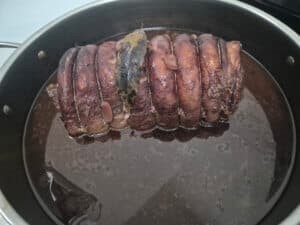
Marinate Brisket in red wine (750ml) for at least 4 hours. I marinated mine overnight.
Roughly chop two large onions.
Drain off the wine and reserve. Dry the brisket with a cloth and season it with salt and pepper. Add oil to the pan and brown the brisket joint all over. Add the wine back into the cooking pot with the onions and bay leaves.
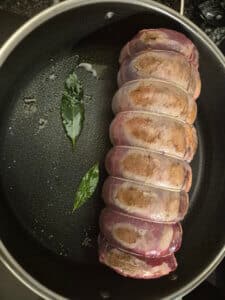
Once the wine has been reduced down (this burns off the alcohol in the wine) add the beef stock. The stock and wine should not cover the joint; my stock was about halfway up the joint. Pop in a pre-heated oven150°C fan for about 5-6 hours.
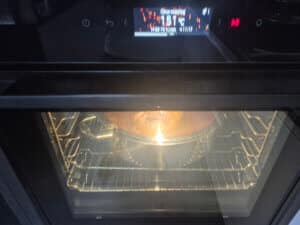
I rolled and turned my brisket about 4 times during the cooking process. Each joint will be different in terms of cooking time, but you can see once it has softened and is ready.
Remove the joint from the stock and wrap it in foil; it will stay warm for a few hours. But your stock in a bowl and place it in a cool place. After a while, you will see a layer of fat from the joint forming on the top. This needs to be removed with a spoon.
When you are nearly ready to serve, reheat the gravy and add a tablespoon of onion chutney to sweeten (or redcurrant jelly ).
Slice the brisket like you would a roast beef joint. Just a note on the gravy, I left the onions in, but you can strain them off if you prefer