Table of Contents
Updated January 2026
Beef cheek ragu is a slow-braised Italian meat sauce where collagen-rich beef cheeks are cooked in red wine until they fall apart into a silky, unctuous sauce. This recipe takes 3-4 hours of oven time (plus overnight marinating), serves 4-6, and produces the kind of rich, deeply flavoured ragu that’s worth every minute of patience. Serve with pappardelle or over creamy mashed potatoes.
1 Why I love Beef Cheek Ragu
A beef cheek ragu recipe is one of those dishes that never fails to please. Slow-cooked beef in a ragu sauce served simply with pasta (beef cheek pappardelle is probaly the pasta of choice) or even creamy mashed potatoes, either way it is just a lovely thing.


I prefer Beef Cheeks because they offer the correct meat-to-fat consistency and represent good value for money. You can use beef shin, short ribs or stewing steak; all work well
Your local butcher will possibly not stock beef cheeks, but they are always more than happy to order them for you. It’s good to plan this dish in advance, as my beef cheek recipe allows for the cheeks to marinate in red wine for 12 hours the night before cooking and allow your butcher a couple of days to order in. A final comment on the Beef Cheeks: it is difficult to advise on the number of cheeks to order, as they can vary in size, but as a rule, I would order three for four people. I cooked this recently for six people, used four beef cheeks, and still had a large portion left. If you are like me, order more as it makes economic sense to cook a bigger batch and freeze what you don’t use (something I recommend for all slow-cooked dishes).
There’s something deeply satisfying about beef cheek ragù. The meat, slow-cooked for hours until it falls apart at the mere suggestion of a fork, yields a richness that cheaper stewing cuts just can’t match. It’s the kind of dish that fills your kitchen with the smell of red wine and rosemary, making everyone ask “what’s cooking?” long before it’s ready.
I’ve been making this recipe for years, and it’s become my go-to for family gatherings, dinner parties, and those weekends when I want something impressive without spending all day chained to the stove. The secret is in the preparation — marinate the cheeks overnight, then let the oven do the hard work while you get on with your day.
Beef cheeks are an underrated cut. They’re packed with collagen, which breaks down during the long, slow cook into that silky, unctuous sauce you simply can’t achieve with leaner cuts. They’re also excellent value — far cheaper than shin or short ribs, yet arguably better suited to this style of cooking.
Serve it with pappardelle and let those wide ribbons catch every bit of the glossy sauce, or go properly British with a pile of buttery mash. Either way, this is comfort food at its finest.
Plan ahead: This dish needs 12 hours of marinating time plus 4 hours in the oven — perfect for preparing the night before a weekend lunch or dinner party.
2 What is a Ragù?

Ragù is Italy’s answer to the slow-cooked meat sauce — rich, deeply flavoured, and designed to cling to pasta rather than pool at the bottom of the bowl. It’s not a tomato sauce with meat added; it’s a meat sauce where tomatoes play a supporting role.
The word itself comes from the French “ragoûter,” meaning to revive the appetite — and a proper ragù certainly does that. Unlike a quick bolognese knocked together in 30 minutes, a true ragù demands time. The long, gentle cooking allows the meat to break down completely, releasing its collagen into the sauce and creating that glossy, unctuous texture.
Regional variations: Ragù varies enormously across Italy. In Bologna, it’s made with a mix of minced pork and beef, a soffritto of finely diced vegetables, a splash of milk, and just enough tomato to colour the sauce. In Naples, large pieces of meat are braised whole in tomato sauce, then served separately as a second course while the sauce dresses the pasta. In Tuscany and Umbria, wild boar ragù is the regional speciality.
The core technique: Despite the regional differences, the fundamentals remain the same:
- Brown the meat — this builds the flavour base through caramelisation
- Soffritto — gently cook finely diced onion, carrot, and celery until soft and sweet
- Deglaze with wine — scraping up all those caramelised bits from the pan
- Add liquid — tomatoes, stock, or a combination
- Braise low and slow — until the meat surrenders completely
The sauce should be thick enough to coat pasta without being gloopy, and rich enough that a small amount delivers big flavour. You’re not drowning the pasta — you’re dressing it.
Beef cheek ragù sits somewhere between the Bolognese and Neapolitan traditions. The meat is cooked in large pieces like a Neapolitan ragù, then shredded at the end. The sauce has the tomato-forward character of southern Italian cooking but the wine-rich depth you’d find further north. It’s not strictly authentic to any one region — but it’s utterly delicious.
For a gamier alternative with roots in Tuscan cooking, try my wild boar ragù — the technique is similar, but the flavour profile is earthier and more robust.

3 Why Beef Cheeks?
Beef cheeks are the facial muscles of the cow — a hard-working part of the animal that develops incredible depth of flavour and a dense, collagen-rich texture. That collagen is the key to a great ragù. During the slow braise, it melts into gelatine, creating that sticky, lip-coating sauce that clings to pasta so beautifully.
Compared to other braising cuts:
Beef shin is excellent but can be slightly drier if overcooked. Cheeks are more forgiving.
Short ribs have great flavour but carry more fat, which some find too rich.
Stewing steak works in a pinch but lacks the collagen content, so your sauce won’t have the same body.
Ox cheek is essentially the same cut with a different name — use them interchangeably.
Cheeks also represent brilliant value. While a ribeye might set you back £30 per kilo, beef cheeks typically cost £8-12 per kilo. For a dish where the meat is slow-cooked until tender, there’s no advantage to using expensive cuts — the long cooking time tenderises everything regardless.
4 Where to Buy Beef Cheeks in the UK
Beef cheeks aren’t a supermarket staple, but they’re easier to find than you might think.
Your local butcher is the best bet. Most don’t display cheeks in the counter, but they’ll happily order them in with a couple of days’ notice. Building a relationship with a good butcher pays dividends — they’ll often trim and prepare the cheeks for you too.
Online butchers like Farmison, Turner & George, and The Ginger Pig deliver nationwide and stock beef cheeks year-round. Expect to pay a little more for delivery, but the quality is usually excellent.
Supermarkets occasionally stock them — Waitrose and Morrisons are your best chances, usually in the “slow cooking” section of the meat aisle. Availability is patchy, so don’t rely on finding them on the day.
Farmers’ markets often have stalls selling locally-reared beef with a fuller range of cuts than supermarkets. Worth asking if you don’t see them displayed.
When buying, look for cheeks that are deep red with good marbling and a layer of fat on one side. They typically weigh 300-500g each, though sizes vary considerably. I usually allow one cheek per person for a generous portion, or three cheeks for four people if serving with plenty of pasta or mash.
5 How to Prepare Beef Cheeks
Beef cheeks usually come with a layer of fat on one side and sometimes a thin membrane or silverskin. Here’s how to prepare them:
Trimming: Remove any thick layers of hard fat, but leave some marbling intact — it adds flavour and bastes the meat during cooking. If there’s a silvery membrane, peel it off as it can become tough.
Sizing: I leave the cheeks whole for braising, then shred them at the end. Some recipes call for dicing the meat before cooking, but I find whole cheeks hold together better and shred more naturally once tender.
Marinating: This step is optional but highly recommended. Submerging the cheeks in red wine with aromatics overnight does two things: the acid in the wine begins to tenderise the meat, and the flavours penetrate deeply. Don’t skip this if you have the time.
6 The Marinade
A proper overnight marinade transforms this dish. The red wine works its way into the meat, adding depth and helping to break down the tough fibres before cooking even begins.
I use a full-bodied red — nothing expensive, but something you’d happily drink. A Chianti, Montepulciano, or Côtes du Rhône all work well. Avoid anything too oaky or tannic, as those flavours can become bitter during the long cook.
Into the wine go bay leaves, a sprig of rosemary, and a few black peppercorns. Some recipes add carrots and celery to the marinade, but I prefer to use fresh vegetables in the braise itself — the marinated ones can become waterlogged and mushy.
Cover the bowl with cling film and refrigerate for at least 8 hours, or up to 24. When ready to cook, lift the cheeks out and pat them dry with kitchen paper. Reserve the wine — you’ll use it in the sauce. Don’t forget to discard the herbs.
Step-by-Step Cooking Tips
Browning the cheeks: This is where the flavour foundation is built. Get your pan properly hot before adding the oil, then brown the cheeks in batches — don’t crowd the pan or they’ll steam rather than sear. You’re looking for a deep, mahogany crust on all sides. This should take 3-4 minutes per side. Don’t rush it.
The soffritto: Once the meat is out, turn the heat down and add your finely diced onion, carrot, and celery. Cook gently for 8-10 minutes until softened and starting to colour. Add the garlic for the final minute — it burns easily, so keep it moving.
Deglazing: Pour in the reserved marinade wine and let it bubble vigorously, scraping up all the caramelised bits stuck to the bottom of the pan. These fond deposits are pure concentrated flavour. Reduce the wine by about half before adding the tomatoes.
The braise: Once everything is in the pot, bring to a gentle simmer, then transfer to a low oven. The key word is gentle — you want lazy bubbles, not a rolling boil. Too high a heat and the meat will toughen before the collagen has time to break down.
Testing for doneness: After 3 hours, check the cheeks. They’re ready when a fork slides in with no resistance and the meat pulls apart easily. If there’s any toughness, give them another 30-60 minutes. Every cheek is different — older animals take longer than younger ones.
Finishing: Once tender, lift the cheeks out and shred the meat with two forks, discarding any remaining fat or gristle. Return the shredded meat to the sauce and stir through. Taste and adjust the seasoning — it often needs a good pinch of salt at this stage.
7 What to Serve with Beef Cheek Ragù
Pappardelle is the classic pairing. Those wide, flat ribbons catch the chunky sauce perfectly, and the slight chew of fresh pasta complements the tender meat. Cook the pasta just until al dente, then finish it in the sauce with a splash of pasta water to help everything cling together.
Tagliatelle works beautifully if you can’t find pappardelle — the narrower ribbons still hold the sauce well.
Creamy mashed potato is my favourite alternative. Pile the ragù on top and let the sauce soak into the mash. Add a knob of butter and plenty of seasoning to the potatoes.
Polenta makes a lovely base, particularly if you’re going for a more rustic Italian feel. Soft polenta enriched with butter and parmesan creates a creamy bed for the rich meat.
Crusty bread — if you’re keeping things simple, a good sourdough or ciabatta for mopping up the sauce is all you need.
8 Make-Ahead and Batch Cooking
This is a brilliant make-ahead dish. In fact, it tastes better the next day once the flavours have had time to meld and deepen.
Fridge storage: Cool completely, then refrigerate in an airtight container for up to 4 days. The fat will solidify on top — you can skim some off if you prefer a lighter sauce, or stir it back in for extra richness.
Freezing: Beef cheek ragù freezes exceptionally well. Portion into containers or freezer bags and freeze for up to 3 months. Defrost overnight in the fridge, then reheat gently on the hob, adding a splash of water or stock if the sauce has thickened.
Batch cooking: I often double the recipe and freeze half. It’s barely any extra effort, and having a container of ragù in the freezer for a lazy weeknight dinner is a genuine luxury.
Reheating: Warm through gently over a low heat, stirring occasionally. Add a splash of water or beef stock if the sauce has reduced too much. It should be glossy and coat a spoon — not thick and gloopy.
9 Frequently Asked Questions
How long should I marinate beef cheeks?
For best results, marinate overnight — at least 8-12 hours. If you’re short on time, 4 hours will still make a noticeable difference, but the overnight soak really does transform the final dish.
Can I skip the marinating step?
You can, but I wouldn’t recommend it. The wine marinade tenderises the meat and adds a depth of flavour that’s hard to replicate any other way. If you’re truly pressed for time, add an extra splash of wine to the braise instead.
Can I make this in a slow cooker?
Yes — brown the meat and sauté the vegetables on the hob first, then transfer everything to the slow cooker. Cook on low for 8-10 hours or high for 5-6 hours. The result will be slightly different (less reduced sauce) but still delicious.
What can I use instead of beef cheeks?
Beef shin, short ribs, or ox cheek all work well. For something different with a similar slow-cooked richness, try my wild boar ragù — it has a slightly gamey depth that’s wonderful with pappardelle.
Can I freeze beef cheek ragù?
Absolutely. Let it cool completely, then freeze in airtight containers for up to 3 months. Defrost overnight in the fridge and reheat gently, adding a splash of water if needed.
What wine should I use?
A medium to full-bodied red that you’d happily drink. Chianti, Sangiovese, Montepulciano, or Côtes du Rhône all work well. Avoid very oaky or heavily tannic wines.
How do I know when the beef cheeks are done?
They’re ready when a fork slides in with no resistance and the meat shreds easily. This usually takes 3-4 hours at 160°C, but check from 3 hours onwards — every cheek is different.
10 Wine Pairing
A rich, meaty ragù calls for a wine that can stand up to it without being overpowered.
Sangiovese is the classic match — its bright acidity cuts through the richness while the earthy, cherry notes complement the tomato-based sauce. A Chianti Classico or Rosso di Montalcino would be ideal.
Montepulciano d’Abruzzo offers a rounder, fruitier alternative with soft tannins that won’t fight the dish.
Primitivo or Nero d’Avola from southern Italy bring a riper, more generous fruit profile if you prefer something bolder.
For something non-Italian, a Côtes du Rhône or Languedoc red would work nicely — look for Grenache-dominant blends with plenty of spice.
If you enjoy this beef cheek ragù, you might also like my wild boar ragù — another slow-cooked favourite with a slightly gamey.
11 Recipe-ingredients & Method
Beef Cheek Ragu
Print RecipeIngredients
- Beef Cheeks x 3
- Red Wine -about 500cl to cover Beef Cheeks
- 4 Bay leaves (for Marinade)
- Sprig of Rosemary (for Marinade)
- A few black peppercorns (for Marinade)
- 3 carrots finely chopped
- 1 large Onion finely chopped
- 3 stalks of celery finely chopped
- 500ml Passata or tinned tomatoes
- 2 Garlic cloves
- 2 Tbsp of Tomato puree
- 2 Tbsp of olive oil or vegetable oil
Instructions
Marinade the beef cheeks in red wine, bay leaves and rosemary.
[caption id="attachment_3133" align="alignnone" width="300"]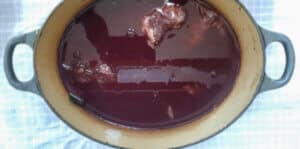 Beef cheeks in red wine marinade[/caption]
Add beef cheeks to a pan & brown; remove when browned
Finely dice the onion, celery and carrots and add to the pan; slowly cook until the veg is softened, then add chopped garlic and cook for 1 minute
Add the reserved red wine and reduce down, then add the browned beef cheeks. Add the Tomato Passata and tomato paste.
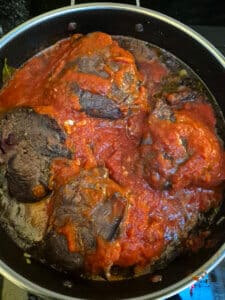
Bring to the boil
Transfer to the oven (160 degrees) and cook for 4 hours or when the beef cheeks fall apart with a fork. I would check the pan and stir every hour.
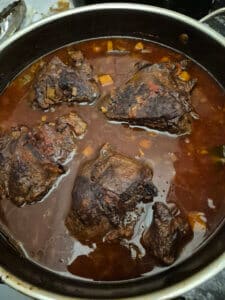
That’s how easy it is; all you need to do is cook your pasta or mash.
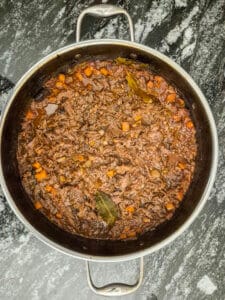
Serve and enjoy succulent beef in a rich red wine & tomato ragu, the perfect dinner for family or friends.