Table of Contents
1 Classic British Comfort Food at Its Best

Is there anything more comforting than proper sausage and mash? I’d argue not. This quintessentially British dish—often called bangers and mash—is the ultimate in comfort food. Juicy sausages, creamy buttery mash, and a rich onion gravy that ties it all together. It’s the sort of meal that makes you feel properly looked after, whether you’re cooking for the family on a Tuesday night or treating yourself after a long day.
I cooked this last week, and I have to say, it hit the spot perfectly. There’s something deeply satisfying about the simplicity of sausage and mash—it’s not trying to be fancy, it’s just good, honest food done well. And when you add a splash of red wine to the onion gravy? Well, that’s when it goes from good to absolutely magnificent.
The red wine adds a depth and richness to the gravy that you simply don’t get with the standard version. It’s not a heavy, overwhelming flavour—just a lovely complexity that elevates the whole dish. Some recipes use balsamic vinegar, others stick to just stock, but I genuinely think the red wine approach is superior. It creates a glossy, deeply flavoured gravy that’s worth mopping up with every last bit of mash on your plate.
This is proper British comfort food—the sort of meal that reminds you why traditional recipes have stood the test of time. Whether you call it sausage and mash or bangers and mash, it’s a winner every single time.
For more comforting British classics, check out all our recipes here.
2 Why Are Sausages Called “Bangers”?
Before we get into the recipe, I thought I would look up why sausages are affectionately referred to as “bangers”. I have to admit I didn’t have a clue, so thanks to Mr Google I now know. The nickname bangers dates back to World War I and became especially popular during World War II. During wartime rationing, meat was scarce, so butchers bulked out sausages with water, cereals, and other fillers to make them go further.
When these water-heavy sausages were fried or grilled, they had a rather alarming tendency to explode or “bang” in the pan due to the high water content turning to steam. Hence, “bangers” was born. The name stuck, and even though modern sausages are considerably less explosive (thankfully!), we still affectionately call them bangers today.
It’s a charming bit of British culinary history, and it certainly adds character to the phrase “bangers and mash.” I rather like that a necessity born from rationing became such an enduring part of our food culture.
3 The Red Wine Gravy: What Makes It Special
Let’s talk about the star of the show, or at least a co-star of the show—the red wine onion gravy. As you can see from the pictures, I flooded the plate, but this isn’t your standard onion gravy; it’s a cut above. The red wine adds layers of flavour that transform what could be a simple gravy into something restaurant-quality.
Here’s what the red wine brings to the party:
Depth of flavour: The wine reduces down and concentrates, adding a rich, slightly fruity undertone that complements the sweetness of the caramelised onions beautifully.
Complexity: There’s a subtle earthiness and acidity that balances the richness of the sausages and buttery mash.
Glossy finish: Red wine gives the gravy a lovely sheen and professional appearance.
Restaurant/Dinner party touch: It’s the sort of detail that makes people think you’ve gone to far more effort than you actually have, taking the humble bangers and mash to dinner party level.
The key is to let the wine reduce properly—don’t rush this step. You want the alcohol to cook off and the flavours to concentrate. The result is a gravy that’s miles ahead of anything you’d get from a packet, and it genuinely doesn’t take much extra effort.
4 Choosing Your Sausages: Quality Matters
Now, I’m not going to tell you which specific brand to buy—everyone has their favourites—but I will say this: quality matters with sausages. You want a high meat content (at least 80% if you can get it) and proper seasoning. Cheap, filler-heavy sausages just won’t give you the same result. If you have a good butcher nearby, they will generally make their own sausages and are well worth the extra money. Supermarkets’ own premium brands are usually very good; I used Marks & Spencer’s British outdoor-bred farmhouse sausages in the pictures.
My preferences:

Cumberland sausages: These are my go-to for bangers and mash. The peppery, herby flavour is absolutely spot-on for this dish.
Pork and herb: A classic choice that never disappoints. Look for ones with visible herbs—it’s usually a sign of quality.
Lincolnshire: Another excellent option with lovely sage notes.
What to avoid: Sausages with low meat content or those suspiciously cheap ones that are more filler than pork. You’ll taste the difference, I promise.
One important tip: some meat fat content is your friend here. Not only do they taste better, but they also render fat whilst cooking, which becomes the base of your gravy. It’s flavour you simply can’t replicate with lean sausages.
5 The Perfect Mash: Creamy, Buttery, and Cloud-Like
Mashed potato for bangers and mash needs to be spot-on. We’re going for creamy, buttery, and fluffy—not gluey, not watery, just perfectly smooth with enough body to hold up to the gravy.
My method:
Potatoes: Maris Piper or King Edwards are ideal. These floury potatoes mash beautifully and create that fluffy texture we’re after.
Don’t overwork them: Mash until smooth, but stop there. Overmashing releases too much starch and turns your lovely mash into wallpaper paste.
Butter and cream: Be generous. This isn’t the time to be stingy. I use both butter and a splash of cream (or full-fat milk if that’s what you have). The butter adds flavour, the cream adds richness.
Season properly: Salt is essential, and a crack of white pepper is lovely. Some people add a teaspoon of Dijon mustard—I sometimes do, sometimes don’t, depending on my mood. Grated nutmeg also goes well.
Warm your additions: If you’re adding cold milk or cream to hot potatoes, it can cool everything down and affect the texture. Warm them first if you remember.
The result should be mash that’s creamy enough to be luxurious but still has enough structure to hold its shape on the plate. It’s the perfect vehicle for that gorgeous red wine gravy.
6 What to Serve with Sausage and Mash
Sausage and mash is fairly rich and filling, so you want something simple on the side. Here are my usual accompaniments:
Peas: Buttered peas are classic for a reason. The sweetness and freshness cut through the richness beautifully.
Greens: Steamed green beans, tenderstem broccoli, or even some wilted spinach all work well.
Carrots: Honey-glazed carrots are lovely if you want something slightly sweeter.
Fried onions: Some people like additional fried onions on top. I think the onion gravy provides plenty, but it’s an option.
Crusty bread: If you’re anything like me, you’ll want to mop up every last bit of that gravy. A bit of crusty bread does the job nicely.
Wine pairing: If you’re having wine with dinner, go for something medium-bodied like a Côtes du Rhône or Merlot. You’ve already used red wine in the gravy, so it makes sense to continue the theme.
7 Frequently Asked Questions About Bangers and Mash
Can I make sausage and mash ahead of time?
You can prepare components ahead, but this dish is definitely best served fresh. The mash can be made up to an hour ahead and kept warm in a low oven with a knob of butter on top and covered with foil. The gravy can be made in advance and reheated gently. However, sausages really should be cooked fresh—they lose their lovely juicy texture if reheated.
What’s the best type of sausage for bangers and mash?
Cumberland sausages are traditional and work beautifully, but any good-quality pork sausage with at least 80% meat content will do the job. Pork and herb, Lincolnshire, or even good old-fashioned plain pork sausages are all excellent. Avoid anything with very low meat content—you’ll taste the difference.
Can I use white wine instead of red wine in the gravy?
You can, though the flavour will be quite different. Red wine gives a deeper, richer gravy with more body. White wine creates a lighter, more delicate sauce. For traditional bangers and mash, I’d stick with red, but white wine certainly isn’t wrong—just different.
How do I prevent my mash from being gluey?
Don’t overmash! Once the potatoes are smooth, stop. Overworking releases too much starch, which makes the mash gluey and unpleasant. Also, use floury potatoes (Maris Piper or King Edwards) rather than waxy ones. And make sure your potatoes are properly drained before mashing—excess water makes for watery, gluey mash.
What’s the difference between bangers and mash and sausage and mash?
Absolutely nothing! They’re two names for exactly the same dish. “Bangers and mash” is the more colloquial, affectionate British term, whilst “sausage and mash” is perhaps slightly more formal. Use whichever you prefer—everyone will know what you mean.
Can I make this dish vegetarian?
Absolutely! Use good-quality vegetarian sausages (there are some excellent ones available now) and vegetable stock instead of beef or chicken stock in the gravy. The rest of the recipe remains the same. I’ve served this to vegetarian friends, and they’ve been very happy with the results.
How do I get really crispy sausages?
Cook them gently and patiently over medium heat rather than high heat. High heat burns the skins before the insides cook through. Medium heat allows the sausages to render their fat, brown evenly, and develop that lovely caramelised exterior. It takes 20-25 minutes, but it’s worth it. Turning them regularly helps achieve even browning.
Can I freeze sausage and mash?
I wouldn’t recommend freezing the whole dish, but you can freeze the gravy very successfully. The mash doesn’t freeze particularly well—the texture changes and becomes a bit grainy. Sausages can be frozen cooked or uncooked, though they’re definitely best fresh. If you want to batch cook, I’d suggest freezing portions of the gravy and making fresh mash and sausages when you need them.
8 Why This Recipe Works
There’s a reason sausage and mash has been a British staple for generations. It’s the perfect combination of textures and flavours—crispy-skinned juicy sausages, fluffy creamy mash, and that rich, savoury gravy tying everything together. It’s comfort food that actually comforts, if you know what I mean.
The red wine gravy elevates this from a simple midweek meal to something you’d be happy serving to guests. It adds that extra layer of sophistication without any real additional effort—just one extra ingredient and a few minutes of patience whilst it reduces.
What I love about this dish is its reliability. It’s not fussy, it doesn’t require any special equipment or techniques, and it’s very hard to mess up. The ingredients are straightforward, the method is simple, and the results are consistently delicious. That’s the mark of a proper classic recipe.
Whether you grew up eating bangers and mash or you’re discovering it for the first time, I think you’ll find it’s one of those meals that just makes you feel good. It’s hearty, satisfying, and exactly what you want on a cold evening when you need something proper and comforting.
Give it a try—I don’t think you’ll be disappointed. And if you make it, I’d love to hear how it goes. Feel free to share your results or any tweaks you make to the recipe.
For more classic British recipes like this, check out our Traditional British Christmas Cake & a classic Fish Pie.
Enjoy!
9 Recipe: Ingredients & Method
Sausage and Mash with Red Wine Onion Gravy
Print RecipeIngredients
- For the sausages
- 8 large sausages, I used 3 person as they were medium sized
- 1 tbsp of olive oil
- For the mash
- 1Kg potatoes (maris piper or king edwards) peeled and cut into chunks
- 50g butter
- 100ml full fat milk or double cream
- salt & pepper
- For the red wine gravy
- 2 large onions thinly sliced
- 2 tbsps of butter
- 150ml of drinkable red wine
- 300ml of beef or chicken stock
- 1 tbsp plain flour
- 1 tsp of sugar to caramelise the onions optional
- Salt and pepper
- To garnish the dish
- Chopped chives, tyme or parsley
Instructions
Instructions
Step 1: Start the mash
Put your peeled and chunked potatoes into a large pan of cold salted water. Bring to the boil, then reduce to a simmer and cook for 15-20 minutes until the potatoes are completely tender. You should be able to easily push a knife through them.
Drain thoroughly and leave them in the colander for a minute or two to steam off excess moisture. This might seem fussy, but it genuinely makes a difference—waterlogged mash is nobody’s friend.
Step 2: Cook the sausages
Whilst the potatoes are cooking, heat a tablespoon of olive oil in a large frying pan over medium heat. Add your sausages and cook gently, turning occasionally, for about 20-25 minutes until they’re golden brown all over and cooked through.
Don’t rush them—gentle cooking is key. You want that lovely caramelisation on the outside and juicy, cooked-through sausages. High heat will just burn the skins before the insides are done.
Once cooked, remove the sausages to a plate and cover with foil to keep warm. Alternatively, you can cook your sausages in the oven; allow 20 minutes, or the air fryer cooks sausages well.
Step 3: Make the gravy
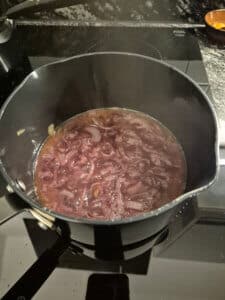
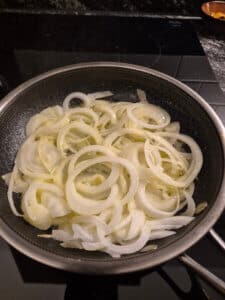
In a pan, add the butter and sliced onions. Cook over medium heat for about 10 minutes, stirring occasionally, until the onions are soft and starting to caramelise. If you’re using it, add the teaspoon of sugar now to help with caramelisation.
Pour in the red wine and turn up the heat slightly. Let it bubble away for 2-3 minutes. It’s important to allow the alcohol in the wine to burn off. Once reduced, add the flour and stir for a minute to cook it out. This will thicken your gravy. I mix my flour with a couple of tablespoons of cold water; that way it stops the flour going lumpy once added to the sauce.
Add your stock and bring to a simmer. Let it cook for 5-10 minutes until the gravy has thickened to your liking. Season with salt and pepper. If you’re using fresh thyme, add it now.
Step 4: Finish the mash
Return your drained potatoes to the pan. Add the butter and mash until smooth. Pour in the warmed milk or cream and continue mashing until you have a creamy, fluffy consistency. Season with salt and white pepper. Taste and adjust—you want it properly seasoned.
Step 5: Serve
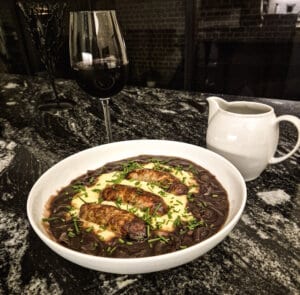
Divide the mash between plates, top with the sausages, and pour over that glorious red wine onion gravy. At this stage you can add chopped hebs, I used chopped chives but parsley or tyme could work. I usually serve this with buttered peas or some steamed greens on the side.