Table of Contents
Written by Martin Seymour | The Mayfair Foodie | About Me
Pan-fried duck breasts with sweet and spicy tamarind sauce is a recipe that serves 2 and comes together in around 30 minutes, making it a practical choice for a weeknight dinner or a low-effort dinner party main. Two duck breasts are started skin-side down in a cold, dry frying pan — no oil, no preheating — to render the fat slowly over medium heat for around 6–8 minutes until the skin is deep golden and lacquered. The duck then transfers skin-side up to an oven preheated to 180°C fan, where a meat thermometer is essential: pull the duck at 55–57°C for pink, 60–63°C for medium, and 70°C or above for well done. A full 10-minute rest under loose foil is non-negotiable — it redistributes the juices and transforms the texture. The tamarind sauce is built from 2 tablespoons of tamarind paste, 1 tablespoon each of soy sauce and minced ginger, 2 teaspoons each of runny honey and brown sugar, 1 small deseeded red chilli, 2 tablespoons of water, and a squeeze of half a lime — cooked out in around 5 minutes while the duck rests, making the timing seamless. A vegetable side of courgette batons and tenderstem broccoli in sweet chilli sauce, tomato purée and soy sauce stir-fries in 2–3 minutes over high heat. Jasmine rice cooked absorption-style is the natural serving choice. The tamarind sauce keeps in the fridge for up to 3 days; the duck skin can be rendered earlier in the day and finished in the oven 20–25 minutes before serving. For substitutions, pak choi or sugar snap peas work well in place of the courgette and broccoli, and a tablespoon of fresh orange juice added to the sauce gives a classic duck-and-citrus finish.


1 The Duck Dish That Became a Regular
I do love eating duck and have cooked duck breast and duck legs many times. The strange thing is, I’ve never cooked a whole duck. I think, as duck is very fatty, I can’t face cleaning the oven after the duck has been cooking for an hour or so. Anyhow, I made a recipe that I thought you might like. It’s very easy and extremely tasty: pan-fried duck breasts, served with a sweet and spicy tamarind sauce.
It ticks all the Thai flavour profiles of spicy, sweet, sour and salty. I think the outcome is the sauce perfectly coats the duck, and it can all be cooked within around 30 minutes. The hardest part in cooking this dish is getting the duck to your liking. In my house, my wife likes it well done and I like my duck breast pink. To help with this, I’ve added a temperature chart for cooking duck breast — all you need is a cooking thermometer. I use mine all the time and it takes the guesswork out of cooking meats.
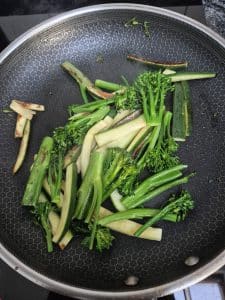
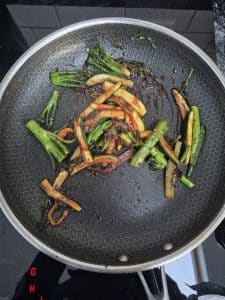
Served alongside this is plain jasmine rice, and I also knocked up a simple vegetable side of courgettes and tenderstem broccoli in a sweet chilli sauce. It worked well with the duck, so I’ve added the recipe below.
I hope you give this recipe a go — as I mentioned, it takes little effort and once you have cooked it I’m sure it will become a regular dish in your household.
2 Why Duck Breast Deserves a Spot in Your Dinner Rotation
Duck breast gets an unfair reputation for being complicated, but the truth is it’s one of the more forgiving proteins once you understand a couple of key principles. Unlike chicken, it’s a red meat — rich, deeply flavoured, and perfectly suited to being served with a blush of pink at the centre. That actually means there’s more margin for error than you might think; a few degrees either way won’t ruin the dish.
What makes it particularly appealing for a weeknight or a casual dinner party is the speed. The whole process — from cold pan to rested duck — takes around 30 minutes. Pair it with a quick sauce and a simple vegetable side, and you have a plate that looks and tastes genuinely restaurant-quality.
3 What Makes This Tamarind Sauce Work So Well
Tamarind is the backbone of this sauce, and it’s what gives it that distinctive sweet-sour depth you find in a lot of South-East Asian cooking. It hits every flavour profile Thai cuisine is known for: sweet from the honey and brown sugar, sour from the tamarind and lime, salty from the soy, and heat from the fresh chilli. It’s punchy without being overwhelming, and it coats the sliced duck beautifully.
The sauce comes together in under five minutes, which means you can make it while the duck rests — ideal timing, and no juggling required.
4 Ingredient Notes for Pan-Fried Duck Breast
A few notes on the key ingredients before you start:
Tamarind Paste
Look for a concentrated paste rather than a block of raw tamarind, which requires soaking and straining before use. Most supermarkets stock it in the Asian or world foods aisle. A good paste should be dark, thick, and deeply sour.
Duck Breasts
Two good-sized duck breasts will comfortably serve two. If you can, buy free-range or outdoor-reared — the flavour difference is noticeable. More on sourcing below.
Runny Honey
Helps balance the acidity of the tamarind. Clear runny honey works better here than a thick set variety, which can make the sauce overly sticky.
Fresh Chilli
One small red chilli, deseeded, gives a gentle heat without overpowering the sauce. Leave the seeds in if you like more of a kick.
Ginger
Freshly minced ginger is far better here than ground. It adds warmth and a slight fragrance that dried ginger simply can’t replicate. I have gone over to using Ginger paste in a jar now, I find it works well.
Brown Sugar
Adds a slight molasses note that white sugar wouldn’t give you — worth using rather than swapping out.
Courgette and Tenderstem Broccoli
For the side dish, use courgettes that are firm with no soft spots. Tenderstem is more tender and sweeter than regular broccoli, and it stir-fries quickly and evenly.
5 How to Cook Pan-Fried Duck Breast — The Method That Works
The approach here is pan-fry first, then finish in the oven — and it’s the method I’d recommend if you want the best of both worlds: an incredibly crispy skin and a properly controlled internal temperature.
The key step that most people skip is starting with a cold pan. No pre-heating, no oil. Place the duck skin-side down into a cold frying pan and then turn on the heat. This allows the fat to render out slowly and evenly, giving you that deep golden, lacquered skin without burning. Starting in a hot pan shocks the fat and often leads to a pale, rubbery skin — not what you’re after.
Once the skin is golden and the fat has rendered (roughly 6–8 minutes over medium heat), transfer the duck skin-side up to an oven preheated to 180°C fan. From here, a meat thermometer is your best friend — which brings us to the next section.
That said, you can absolutely cook duck breast entirely on the hob if you prefer. Keep the heat low to medium throughout and cook skin-side down for the majority of the time before flipping briefly to finish the flesh side. It’s a valid approach, and some people prefer it — I just find the oven method gives me more control, especially when I’m cooking for guests.
6 Duck Breast Internal Temperature Guide
This is the most important part of getting pan-fried duck breast right. The temperatures below are measured at the thickest part of the breast. Pull the duck from the oven at the target temperature, then rest it — the internal temperature will continue to rise by a few degrees during resting.
| Doneness | Temp After Resting | Result |
|---|---|---|
| Pink | 55–57°C | Deep rose pink, very juicy and tender |
| Medium | 60–63°C | Blush pink at the centre, slightly firmer |
| Well Done | 70°C+ | No pink, firmer texture throughout |
Note: The UK Food Standards Agency recommends cooking all poultry to a core temperature of 75°C. Serving duck breast pink is widely practised in professional kitchens and is a personal choice — use a meat thermometer and make an informed decision, particularly when cooking for vulnerable groups.
7 Why Resting Duck Breast Is Non-Negotiable
After coming out of the oven, give the duck a full 10 minutes under a loose tent of foil before slicing. Resting allows the muscle fibres to relax and the juices to redistribute through the breast — skip this step and those juices will pour out the moment you cut into it. Ten minutes doesn’t feel like long, but it genuinely transforms the texture and eating experience.
Use that resting time to make your tamarind sauce. It comes together in under five minutes, leaving you a couple of minutes to get the plates and sides ready.
8 The Sweet Chilli Courgette and Broccoli Side
This vegetable side came together almost as an afterthought, but it works so well alongside the duck that it’s become a regular accompaniment. The courgette batons and tenderstem pieces stir-fry quickly — you want them slightly softened but still with a bit of bite. The sweet chilli sauce, tomato purée, and soy sauce create a glossy, sticky coating that echoes the flavours in the main tamarind sauce without being identical. A squeeze of lime at the end lifts everything nicely.
Keep the heat reasonably high and keep things moving — this isn’t a dish for a low, slow simmer. Two to three minutes over high heat is all you need.
9 What to Serve with Pan-Fried Duck Breast
Jasmine rice is the natural choice here, and the one I’d go with. It’s fragrant, slightly sticky, and it soaks up the tamarind sauce perfectly. Cook it absorption-style for the best texture.
If you want to take the dish in a slightly different direction, try:
- Egg noodles tossed in a little sesame oil and soy sauce
- Steamed pak choi for a cleaner, lighter side
- A simple cucumber and spring onion salad with a rice wine vinegar dressing
- Coconut rice if you want something a little more indulgent
10 Make-Ahead Tips
The tamarind sauce can be made a day ahead and stored in the fridge — just reheat gently before serving and add a small splash of water if it’s thickened too much overnight. The vegetable side is best cooked fresh, but the prep (cutting the courgette and broccoli) can be done well in advance.
The duck itself is best cooked to order. If you’re cooking for guests, however, you can render the skin in the cold pan earlier in the day, then finish in the oven about 20–25 minutes before you want to eat. Let it rest while you plate the sides and it all comes together neatly.
11 Variations
Orange and Tamarind
Add a tablespoon of fresh orange juice to the sauce for a classic duck-and-citrus combination. It softens the sharpness of the tamarind slightly and adds a lovely fragrance.
Hoisin Glaze
Swap the tamarind sauce for a hoisin and five-spice glaze for a more Peking-duck inspired finish. Works brilliantly with the crispy skin.
Extra Heat
Leave the chilli seeds in, or add a teaspoon of chilli flakes to the sauce for a more punchy result.
Different Greens
Pak choi, sugar snap peas, or wilted spinach all work in place of the courgette and broccoli combination. Pak choi is particularly good — it has a pleasing crunch and soaks up sauce well.
12 Frequently Asked Questions
Can I use frozen duck breasts?
Yes, but make sure they’re fully defrosted before cooking. Pat them very dry with kitchen paper — frozen duck tends to release more moisture, which works against you when trying to crisp the skin.
Do I need to score the duck skin?
Lightly scoring the skin helps the fat render out more efficiently and stops the skin from contracting and curling as it cooks. Don’t cut too deep — you want to score the fat layer only, not the meat beneath.
Can I make the tamarind sauce ahead?
Yes — it keeps well in the fridge for up to three days. Reheat in a small pan with a splash of water to loosen it back to a coating consistency.
Is it safe to eat a duck breast pink?
Duck breast is a red meat and is widely served pink in professional kitchens across the UK. The Food Standards Agency advises cooking all poultry to 75°C at the core — serving it pink is a personal choice. Use a meat thermometer, follow the temperature guide above, and make an informed decision.
Can I cook this in an air fryer?
You can finish duck breast in an air fryer after rendering the skin in a pan. Check the temperature frequently, as air fryers vary considerably. It works, but the oven method gives you more predictable results.
What oil should I use to fry the vegetables?
A neutral high-heat oil works best — vegetable, sunflower, or groundnut oil. Avoid olive oil here as the smoke point is too low for stir-frying.
13 Recipe-ingredients & method
Pan-Fried Duck Breasts — with a Sweet & Spicy Tamarind Sauce
Print RecipeIngredients
- 2 duck breasts
- For the Tamarind sauce
- 2 Tbsp of tamarind paste
- 2 teaspoon of runny honey
- 1 Tbsp of soy sauce
- 1 Tbsp of Ginger minced
- 1 small red chilli (deseeded and finly chopped)
- Lime juice (about half a lime)
- 2 Tsp of brown sugar
- 2 Tbsp of water
- 1 Spring onion finely chopped for garnish
- For the Courgette & broccoli in a sweet chilli sauce
- 1 courgette cut into batons
- 5 spears of tenderstem broccoli (cut into pieces roughly the size of the courgette batons)
- 1 ½ Tbsp of sweet chilli sauce
- 1 Tbsp of tomato puree
- 2 Tsp of soy sauce
- A squeeze of lime
Instructions
Remove the duck breasts from the fridge 30 minutes before cooking.
Dry the skin with a paper towel, then lightly score the skin with a sharp knife and rub salt into the skin.
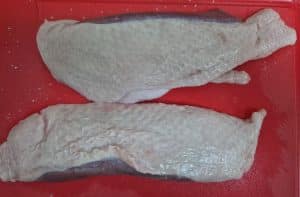
Place the duck breasts skin side down in a cold frying pan then turn the heat on (don’t preheat the pan or add oil to the pan). It’s important not to have the heat too high as your kitchen will be filled with smoke and your hob splattered with duck fat (I’ve learnt from experience).
Pre-heat the oven to 180°C fan.
Once the duck breast skin is golden and crispy, remove the duck breasts from the pan and place skin side up in the oven. Timing can be tricky and that’s why I strongly recommend getting a meat thermometer — it really does make it easier, as a lot depends on your oven and the size of the duck breast. From experience, for a pink duck breast I will cook for 6 minutes then check with the thermometer; for well done, I allow another 4–5 minutes before checking again.
Now, just as important as cooking the duck in a cold frying pan is letting your duck breasts rest. Allow to rest for 10 minutes, as this allows the juices to be retained in the breasts — if you cut without resting, the juices will spill out on your plate. Not nice.
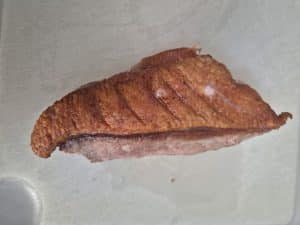
Whilst the duck is resting, start your sauce. Fry off the ginger in a clean pan for 1–2 minutes, then add the tamarind, honey, sugar, chopped chilli, soy sauce and water. Cook for a couple of minutes; at the end of cooking, add the lime juice and mix in.
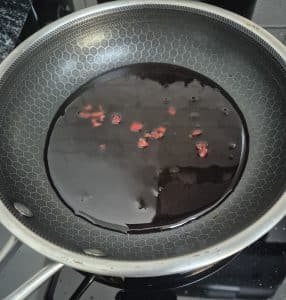
Slice the duck breast, cover in sauce and top with spring onions. Serve with rice.
For the sweet chilli courgette and broccoli
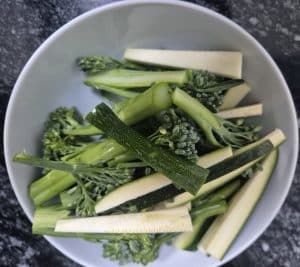
Cut the courgette into batons and then cut the broccoli into pieces roughly the size of the courgette batons.
Add to the pan and start stir-frying the courgettes and broccoli. Once they have slightly softened, add the sweet chilli sauce, tomato purée and soy sauce and cook for a further 1–2 minutes. If your sauce is a little dry, add a small splash of water. A quick squeeze of lime and you’re ready to go.