Table of Contents
Written by Martin Seymour | Editor, The Mayfair Foodie | About Me
The Best Roasted Cauliflower Cheese Recipe from The Mayfair Foodie reimagines the classic side dish by roasting the cauliflower rather than boiling it, preventing the watery sauce that boiling typically causes and instead producing caramelised, nutty florets. The recipe serves four in 40 to 45 minutes total, using one large cauliflower, a cheese sauce built from 150g of mature cheddar, 50g butter and 40g plain flour, and a topping of 100g brie, breadcrumbs and parmesan. Three cheeses each play a distinct role: extra-mature cheddar provides the savoury backbone, red Leicester can be swapped in for colour and mellow sweetness, and creamy brie is dotted through the sauce to melt into rich, molten pockets. Additional flavour comes from Dijon mustard, smoky pimentón, grated nutmeg and a teaspoon of yeast extract, which together deepen the dish without tasting distinctly of any single ingredient. The guide stresses roasting the cauliflower in a single layer to avoid steaming, and adding cheese to the sauce off the heat to prevent it splitting or turning grainy. Written by Martin, the recipe includes make-ahead and freezer instructions, serving suggestions alongside a Sunday roast or with poached eggs for brunch, and answers to common questions on gluten-free adaptations, storage, and pairing with dishes such as slow-cooked beef brisket.

There’s not much debate about the merits of a good cauliflower cheese; the debate tends to focus on whether it’s the perfect side to a roast or a dish in its own right. With my bum planted firmly on the fence, here’s what I think: this roasted cauliflower cheese works perfectly well as a standalone dish or as a side to elevate a roast dinner. Now, here’s the thing — I often make a cauliflower cheese when I’m cooking a roast, and I’ll usually make a bigger portion so I can freeze some for a midweek supper. It goes brilliantly with poached eggs, or with a rasher of bacon and some grilled tomatoes. For years I made my cauliflower cheese the traditional way: boiling the cauliflower, making a good cheese sauce and baking it in the oven — that was, until I tasted this version of roasted cauliflower cheese. Trust me when I say it takes an already brilliant cauliflower cheese to a whole new level.
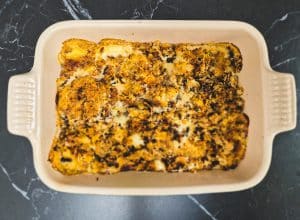
My roasted cauliflower cheese, with the added Dijon mustard, parmesan, pimentón, creamy brie and breadcrumbs, does take a little more effort, but it’s well worth it — and once you’ve tried it, you’ll be hooked. Best of all, it’s easy to do (but don’t tell the people you’re cooking it for) — just sit back and take the plaudits. Once it’s on the table, it’s an attention-seeker of a dish. So whether you’re serving it with a roast or as a luxury midweek supper, I’m confident you’ll find out why I’m in raptures about something as simple as the humble cauliflower cheese.
1 Why Roasted Cauliflower Cheese Beats the Boiled Version
The whole secret here is in the roasting. For most of my cooking life I made cauliflower cheese the way my mum did — florets boiled until soft, smothered in a cheese sauce and baked. Lovely and comforting, but if I’m honest, a little wet. The trouble is that boiling waterlogs the cauliflower, and all that trapped water leaks out in the oven and thins your beautiful cheese sauce into something closer to soup.
Roasting does exactly the opposite. A hot oven drives off the moisture, caramelises the edges and coaxes out a sweet, nutty flavour you simply don’t get from a pan of boiling water. You end up with florets that hold their shape, a sauce that stays thick and glossy, and not a watery puddle in sight. Once you’ve made roasted cauliflower cheese this way, I promise there’s no going back — it’s the single change that takes a good dish and makes it a great one.
2 The Ingredients That Make It Special
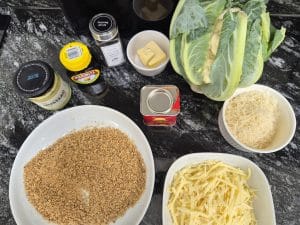
You’ll find the exact quantities in the recipe card below, but it’s worth a quick word on why each ingredient earns its place:

- Cauliflower — the star. Look for a firm, creamy-white head with tight florets and no brown spots. One large head feeds a family as a side.
- Olive oil and pimentón — the oil helps the florets crisp and colour, while pimentón (Spanish smoked paprika) adds a gentle, savoury smokiness rather than the straight heat you’d get from cayenne. It’s a small thing that makes a big difference against the sweet, roasted cauliflower.
- Dijon mustard — a couple of teaspoons stirred into the sauce. It doesn’t make the dish taste of mustard; it just sharpens everything and cuts through all that richness.
- The cheese — extra-mature cheddar gives the sauce a cheesy, mellow taste, and parmesan for the top. An optional addition is adding a few slices of creamy brie. More on that below, because the cheese is where this dish really sings.
- Breadcrumbs — panko or dried crumbs mixed with parmesan give you that irresistible golden, crunchy top to set against the soft cauliflower beneath. I make my own by blending stale bread crumbs. I experiment with different types of breads, current favourites being sourdough or brown malted bread
- Yeast extract (optional) — a teaspoon of Marmite-style yeast extract stirred into the sauce adds a deep, savoury hum. You won’t taste it as itself, but you’ll miss it if it’s gone.
3 Choosing the Right Cheese (and Why I Use Three)
People sometimes raise an eyebrow at three cheeses, but each one is doing a different job. Extra mature cheddar is the backbone — it brings the proper, savoury punch you want from a cauliflower cheese, so don’t be tempted by anything mild here. Red Leicester, grated and mixed in alongside it, gives a mellow, nutty sweetness and, just as importantly, that gorgeous burnt-orange colour that makes the dish look as good as it tastes.
Then there’s the brie. Dotting pieces of creamy brie through the sauce is what tips this into proper indulgence — it melts into soft, molten pockets that you’ll be hunting for with your spoon. If you’ve searched for a brie cauliflower cheese before, this is the bit you came for. Finally, a scattering of Parmesan over the breadcrumbs gives a salty, crisp finish on top.
One tip worth its weight in gold: grate your own cheese rather than buying it ready-grated. Pre-grated cheese is coated with anti-caking agents that stop it from melting smoothly, and they can leave your sauce ever so slightly grainy. Five minutes with a box grater is well spent.
4 How to Roast the Cauliflower

Getting the roast right is the heart of this recipe, and it couldn’t be simpler. Break the cauliflower into evenly sized florets so they cook at the same rate, then spread them out in a single layer in a large, shallow dish or tray. The cardinal sin is crowding the pan — pile the florets up, and they’ll steam in their own moisture rather than roast, and you’ll lose all that lovely colour. If in doubt, use two trays.
Toss the florets with olive oil, pimentón and a good pinch of salt, scatter over some of the parmesan, and roast in a hot oven until they’re golden and the edges are starting to catch and char. Give them a toss halfway through so they colour evenly. You’re looking for nutty, caramelised florets with crisp tips — that’s the flavour that boiling can never give you.
5 Making a Silky-Smooth Cheese Sauce
A good cauliflower cheese lives and dies by its sauce, and a smooth one is easier than you think. Start with a roux: melt the butter until it’s frothing, stir in the flour and cook it for a few minutes until it smells biscuity — this cooks out the raw, floury taste. Then add the milk a splash at a time, whisking hard between each addition. Adding it gradually is the trick to a lump-free sauce; tip it all in at once, and you’ll be chasing lumps round the pan.
Let the sauce bubble gently until it’s thick enough to coat the back of a spoon, then stir through the Dijon, a grating of nutmeg and the yeast extract if you’re using it. Now the important bit: take the pan off the heat before you add the cheese. Stir the grated cheddar and red Leicester in a handful at a time until just melted, and don’t let it boil again. Cheese added to a too-hot sauce, or one that’s allowed to boil afterwards, is the usual reason a cheese sauce turns grainy or splits.
6 Bringing It All Together

Now for the easy, satisfying part. Tip the roasted cauliflower into your baking dish and pour the cheese sauce over the top, nudging the florets so every one is coated. Dot the pieces of brie in amongst the sauce, pressing them down so they tuck in — these are your molten pockets. Mix the breadcrumbs with the reserved parmesan and scatter the lot over the top in an even layer.
Bake until the top is deep golden and the sauce is bubbling up around the edges. If the crumb has coloured before the sauce is properly bubbling, a minute or two under a hot grill will finish the top beautifully. Then — and this takes willpower — let it settle for five minutes before serving. The sauce firms up just enough to scoop, and you’ll save the roof of your mouth in the bargain.
7 Make-Ahead and Freezer Tips
This is one of those dishes I almost always make in a double batch, because it’s such a brilliant thing to have waiting in the fridge or freezer. To get ahead, assemble the whole dish — roasted cauliflower, sauce and topping — then cover it and keep it in the fridge for up to a day. Bake it straight from chilled, adding around ten minutes to the cooking time since it’s starting cold.
It freezes beautifully too. You can freeze it assembled but unbaked, or fully baked and cooled — either way, wrap it tightly. Defrost overnight in the fridge, then bake or reheat until it’s piping hot all the way through. A make-ahead cauliflower cheese like this has rescued more midweek suppers in our house than I can count; serve it with a poached egg on top and you’ve a proper meal with almost no effort.
8 What to Serve with Roasted Cauliflower Cheese
First and foremost, this is the perfect partner for a Sunday roast — it sits happily alongside beef, chicken, gammon or lamb, and it’s a non-negotiable on our Christmas table. It’s especially good with a rich, slow-cooked joint where the cheese and the meat juices get to mingle on the plate.
If you’re after a centrepiece to build the meal around, it’s wonderful with my slow-cooked beef brisket — the two were practically made for each other.
For something lighter, lean into its standalone side: I love a generous scoop with poached eggs, a rasher of bacon and some grilled tomatoes for a lazy weekend brunch or an easy supper. Generally goes well with pork, a slice of gammon or a meaty sausage. On its own with a crisp green salad or some steamed greens on the side keep things feeling balanced against all that lovely richness.
9 Scaling It Up for a Crowd or Christmas Dinner
Cooking for a houseful? This recipe scales up happily — just double the quantities and use a larger dish, or split it across two so the topping still has room to crisp. When you increase the cauliflower, remember the golden rule from earlier: keep it in a single layer for roasting, even if that means two trays, or it’ll steam instead of colour.
For Christmas, the make-ahead trick is a lifesaver. Assemble it the day before, keep it covered in the fridge, and bake it on the day when the oven’s already working overtime. It’s one less thing to juggle while you’re wrestling the turkey, and nobody will ever know it wasn’t made from scratch that morning.
10 Easy Variations to Try
Once you’ve got the method down, it’s a brilliant recipe to play with:
- Add bacon or pancetta — crisp it up and scatter it through before baking for a smoky, salty hit.
- Throw in some leeks — soften a couple of sliced leeks in butter and fold them through the cauliflower for extra sweetness.
- Make it cauliflower and broccoli cheese — roast broccoli florets alongside the cauliflower; they cook a touch faster, so cut them slightly larger or add them a few minutes later.
- Switch up the cheeses — a little gruyère adds a nutty depth, and a crumble of stilton turns it into something properly grown-up.
- Give it a kick — a pinch of chilli flakes or a dash of cayenne in the crumb for those who like a bit of heat.
- Make it gluten-free — thicken the sauce with cornflour or a gluten-free flour blend, and use gluten-free breadcrumbs (or just the parmesan crust).
11 Common Mistakes to Avoid
- A watery dish — the usual culprit is boiled or steamed cauliflower, releasing its water in the oven. Roasting avoids this; if you do par-cook, dry the florets really well.
- A split or grainy sauce — add the cheese off the heat, a handful at a time, and never let the sauce boil once the cheese is in.
- Crowding the roasting tray — piled-up florets steam rather than roast, so spread them out, using two trays if needed.
- Under-seasoning — cauliflower and cheese both need salt. Season the florets before roasting and taste the sauce before it goes in.
- A pale, soft top — you want a hot oven and, if needed, a quick blast under the grill to get that deep golden, crunchy finish.
12 Storing and Reheating Leftovers
Leftovers keep well in an airtight container in the fridge for up to three days — if anything, I think it tastes even better the next day, once the flavours have settled. To reheat, cover it loosely with foil and warm it through in a moderate oven (around 180°C/160°C fan) for fifteen to twenty minutes until piping hot, or microwave individual portions for speed. Add a splash of milk if the sauce has thickened up too much in the fridge. For longer storage, see the freezer tips above.
13 Roasted Cauliflower Cheese FAQs
Can I make roasted cauliflower cheese ahead of time?
Yes. Assemble the whole dish — roasted cauliflower, sauce and topping — then cover and keep it in the fridge for up to a day. Bake it straight from the fridge, adding about ten minutes to the cooking time since it’s starting cold.
Can you freeze cauliflower cheese?
Yes, and it freezes really well. You can freeze it assembled but unbaked, or fully baked and cooled — either way, wrap it tightly. Defrost overnight in the fridge, then bake or reheat until piping hot all the way through. I always make a double batch and tuck one in the freezer for a busy week.
Do I have to roast the cauliflower, or can I boil it?
You can boil it, but roasting is what makes this version special. Boiling waterlogs the florets and thins the sauce; roasting concentrates the flavour, caramelises the edges and keeps everything thick and glossy. If you’re short on time, you could steam it briefly instead, but dry it well first.
Why is my cauliflower cheese watery?
Almost always because of water hiding in boiled or steamed cauliflower, which then leaks out in the oven. Roasting avoids this almost entirely. If you do par-cook, drain and pat the florets really dry, and don’t crowd the roasting tray or they’ll steam rather than roast.
Why has my cheese sauce gone grainy or split?
Usually because the cheese was added while the sauce was too hot, or the sauce boiled after the cheese went in. Take the pan off the heat, let it cool for a moment, then stir the cheese in a handful at a time until just melted — and don’t let it boil again.
What’s the best cheese for cauliflower cheese?
A good extra mature cheddar is the backbone — you want real depth of flavour. I mix it with red Leicester for colour and a mellow nuttiness, dot creamy brie through for molten richness, and finish with parmesan for a crisp, savoury top. Grate your own rather than buying pre-grated, which is coated to stop it clumping and doesn’t melt as smoothly.
Can I use frozen cauliflower?
You can, but frozen cauliflower carries a lot of water, so it suits boiling-style recipes better than roasting. If you want to use it here, roast it from frozen on a hot tray and give it longer to colour and dry out.
Is cauliflower cheese gluten-free?
Not as written, because of the flour in the sauce and the breadcrumb topping. It’s easily adapted, though: thicken the sauce with cornflour or a gluten-free flour blend, and use gluten-free breadcrumbs — or skip them and lean on the parmesan crust.
Is this recipe vegetarian?
It’s very nearly there. Just check your cheeses, as traditional Parmesan, Brie, and some cheddars are made with animal rennet. Swap in vegetarian versions (a vegetarian Italian-style hard cheese works in place of parmesan) and you’re good to go.
Can I add broccoli?
Absolutely — cauliflower and broccoli cheese is a brilliant combination. Roast the broccoli alongside the cauliflower; it cooks a little faster, so add it to the tray a few minutes later or cut the florets slightly larger.
What do you serve with cauliflower cheese?
It’s the perfect side for a Sunday roast — beef, chicken, gammon or lamb. For a lighter meal, I love it as a main with poached eggs, a rasher of bacon and some grilled tomatoes.
Can I make it without flour?
Yes — use cornflour mixed in a little cold milk to thicken the sauce, or make a lighter version by reducing cream with the cheese instead of making a roux.
How far ahead can I prepare it for Christmas dinner?
You can assemble it the day before and keep it covered in the fridge, then bake it on the day — one less thing to juggle when the oven’s working overtime. A fully baked dish made a day ahead also reheats well, so either approach works.
14 Final Thoughts
So there it is — the cauliflower cheese that converted me away from the boiled version for good. It takes a little more effort than the traditional method, but roasting the cauliflower, blending three cheeses and tucking that brie through the sauce rewards you with a dish that’s nutty, golden and gloriously indulgent, with not a watery puddle in sight. Whether it’s holding its own next to a Sunday roast or starring as a midweek supper, this is the one I’ll happily make again and again. Give it a go, and I think you’ll also be in raptures about the humble cauliflower cheese too.
15 Recipe-Method & Ingredients
The Best Roasted Cauliflower Cheese Recipe
Print RecipeIngredients
- For the cauliflower
- 1 large cauliflower, cut into large florets
- 2 tbsp olive oil
- Pinch of cayenne pepper
- 40g parmesan (or vegetarian Italian-style hard cheese), finely grated — most for roasting, the rest saved for the topping
- For the sauce
- 50g butter
- 40g plain flour
- 600ml whole milk
- 2 tsp Dijon mustard
- 1 tsp yeast extract (marmite)
- 150g Mature cheddar
- Grated fresh nutmeg
- For the topping
- 100g brie, cut into small pieces (optional)
- 3/4 tbsp dried breadcrumbs (panko work well)
- The reserved parmesan
Instructions
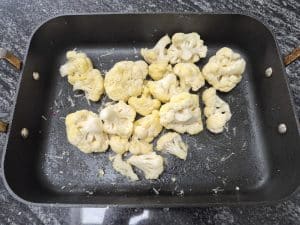
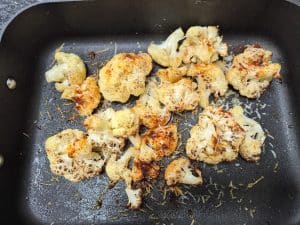
1. Roast the cauliflower. Heat the oven to 210°C/190°C fan/gas 7. Tip the florets into a shallow baking dish, toss with the olive oil, pimentón and a good pinch of salt, then scatter over half the parmesan. Roast for 20 minutes until they’re crisp and turning golden, give them a toss, scatter on a little more parmesan — hold some back for the top — and roast another 10 minutes until the edges are properly catching. This is the bit that lifts a cauliflower cheese out of the ordinary: roasting instead of boiling means no watery puddle in the bottom of the dish, just nutty, caramelised florets. Set aside.
 [
[
2. Make the cheese sauce. Melt the butter in a saucepan until it’s frothing, scatter in the flour and stir it into a sandy paste, cooking for 3 minutes or so to take the raw edge off. Add the milk a splash at a time, whisking hard between each addition and keeping it at a gentle simmer, until you’ve a smooth sauce. Let it bubble away gently for about 15 minutes, stirring now and then, until it’s thick and silky. Stir through the Dijon and the yeast extract if you’re using it — that little hit of savouriness does wonders. Off the heat, add the grated mature cheddar a handful at a time until it’s all molten, then grate in the nutmeg and season. If you fancy it, you can use part mature cheddar and part red Leicester here — keep the total cheese the same, and the red Leicester brings a lovely burnt-orange colour and a mellow, nutty note to the sauce.
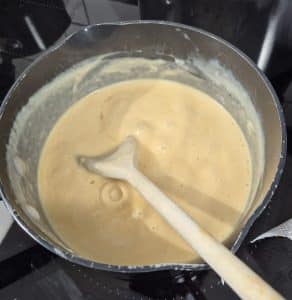
3. Assemble and bake. Pour the sauce over the roasted cauliflower in the dish, turning the florets so everything’s coated. If you are using brie dot the pieces into the sauce so they tuck in and melt into molten little pockets, then mix the breadcrumbs with the reserved parmesan and scatter over the top. Bake for 25–30 minutes until it’s bubbling round the edges and deep golden on top. If the crumb’s there before the sauce is bubbling, a minute under the grill finishes it off.
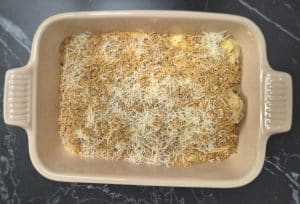
4. Serve. Let it settle for 5 minutes, then serve in warm, melting scoops. Glorious next to a Sunday roast.