Table of Contents
1 Our tasty twist on this Italian classic dish

Updated January 2026
Slow-cooked spaghetti bolognese is a rich meat sauce braised gently in the oven for around 90 minutes, developing deep flavour that quick-cook versions can’t match. This recipe serves 4-6, uses sun-dried tomatoes, pancetta and rosemary for extra depth, and produces a thick, glossy sauce that clings perfectly to spaghetti. The oven does the hard work while your kitchen fills with incredible aromas.
2 My tried and tested twist on Spaghetti Bolognese
There are only a few recipes that I can cook without a sneaky look at a recipe book; my favourite curry, a risotto, sausage pasta, and slow-cooked spaghetti bolognese are amongst the few. I have been cooking Slow-cooked Spaghetti Bolognese for years, and I have to confess I have no recollection of where I discovered this recipe. I have a sneaky feeling it might be an early Jamie Oliver recipe, but I’m not sure, so just between you and me I’m going to claim it as my own.
There’s something magical about a spaghetti bolognese that’s been gently simmering in the oven for an hour. The kitchen fills with the most incredible aromas of rosemary, tomatoes and slowly braising meat, and the sauce develops a depth of flavour that in my opinion quick-cook versions simply can’t match.
While traditional Ragù alla Bolognese from Bologna is served with tagliatelle, I’ve adapted this recipe into the classic British-Italian fusion we all know and love. The addition of sun-dried tomatoes, fresh rosemary and pancetta lifts it above ordinary midweek bolognese into something worth savouring.
3 Why You’ll Love This Recipe
I’ve served this slow-cooked bolognese at countless family dinners and it never fails to impress. Here’s why it works so well:
- Incredible depth of flavour: The oven’s gentle, even heat allows the sauce to develop rich, complex flavours that stovetop cooking can’t achieve
- Mostly hands-off cooking: Once it’s in the oven, you’re free to get on with other things
- Perfect for entertaining: Make it ahead and reheat—it’s actually better the next day
- Family-friendly: Children love it, and you can easily adjust the seasoning for younger palates
- Freezes brilliantly: Double the batch and freeze half for effortless future dinners
4 Why Slow-Cooking Makes Better Bolognese
You might wonder why I love the oven method rather than a quick simmer on the hob. The answer lies in how heat affects the ingredients.
When bolognese sauce cooks in the oven, it receives heat from all directions—not just from the bottom of the pan. This gentle, enveloping warmth allows the meat to become incredibly tender whilst the tomatoes break down slowly, releasing their natural sugars and acidity in a more balanced way.
The result is a sauce with remarkable complexity. The rosemary infuses throughout, the pancetta provides its smoky richness into every spoonful, and the sun-dried tomatoes add pockets of intense, concentrated flavour. It’s a transformation that typically takes three or more hours on the stovetop but happens in just one hour in the oven.
There’s also a practical benefit: no risk of catching or burning on the bottom of the pan, and no need for constant stirring. You can put this in the oven and trust it to look after itself, apart from an occasional stir.
5 Key Ingredients That Make the Difference
While this recipe uses familiar bolognese ingredients, a few special additions elevate it from good to exceptional.
Pancetta or Lardons
Starting with pancetta (or bacon lardons) builds a foundation of flavour that plain mince alone can’t provide. As the pancetta cooks down, it releases savoury, slightly smoky notes that permeate the entire sauce. Frying it with rosemary at the start creates an aromatic base that’s irresistible.
Fresh Rosemary
I love rosemary; it works so well with meats. It is used traditionally with lamb, but as in this dish, it also works well with beef and is a good addition to chicken. I use a generous handful of fresh rosemary, finely chopped. It’s robust enough to withstand the long cooking time and adds an earthy, pine-like fragrance that complements the tomatoes beautifully. The flavour mellows and integrates during the oven time, becoming part of the sauce rather than sitting on top of it.
Sun-Dried Tomatoes
This is perhaps my favourite addition. Sun-dried tomatoes bring concentrated, almost caramelised tomato flavour that tinned tomatoes alone can’t achieve. Roughly chopped and stirred through the sauce, they create little bursts of intense sweetness that contrast wonderfully with the meat.
Quality Tinned Tomatoes
Don’t skimp here. Good-quality Italian tinned tomatoes make a noticeable difference to the final sauce. Look for San Marzano or similar varieties—they’re sweeter and less acidic than budget options, meaning you won’t need to add sugar to balance the sauce.
Red Wine
A glass of red wine adds acidity and depth. As it reduces, the alcohol evaporates, leaving behind rich, fruity notes that complement the tomatoes. Use something you’d happily drink—if you wouldn’t drink it, don’t cook with it. A medium-bodied red like Chianti, Montepulciano or my favourite Primitivo works perfectly. Make sure you have enough to drink as well, chef’s perk.
6 How to Make Slow-Cooked Spaghetti Bolognese
This recipe is straightforward, even for beginner cooks. The key is building layers of flavour at each stage.


Step 1: Build the Flavour Base
Preheat your oven to 180°C (Gas Mark 4). In a large ovenproof pan or casserole dish, heat a glug of olive oil over medium heat. Add the pancetta and chopped rosemary, frying until the pancetta turns golden and releases its fat—about 4-5 minutes. This creates an incredibly fragrant base for your sauce.
Step 2: Soften the Aromatics
Add the chopped onion and minced garlic to the pan, stirring frequently. Cook gently for about 5 minutes until the onion softens and turns translucent. Take care not to burn the garlic—if it catches, it becomes bitter and can spoil the sauce.
Step 3: Brown the Mince
Turn the heat to high and add the minced beef. Break it up with a wooden spoon and cook for 3-4 minutes until browned. You want some colour on the meat—this caramelisation adds another layer of savoury depth through the Maillard reaction.
Step 4: Add the Wine
Pour in the glass of red wine and let it bubble away for a few minutes, you want to burn the alcolhol off, scraping up any caramelised bits from the bottom of the pan. These browned bits are packed with flavour and you don’t want to leave them behind.
Step 5: Build the Sauce
Add the tinned tomatoes, tomato purée, sun-dried tomatoes and dried oregano. Season with salt and pepper, and add a pinch of chilli flakes if you like a little heat. Stir everything together well.
Step 6: Slow-Cook in the Oven
Transfer the pan to the oven (or if your pan isn’t ovenproof, transfer to a casserole dish). Cook uncovered for 1 hour, stirring once halfway through. The sauce will reduce and intensify, developing that characteristic rich, thick consistency. For even deeper flavour, cook for up to 90 minutes.
Step 7: Cook the Pasta and Serve
About 15 minutes before the sauce is ready, cook your spaghetti in plenty of salted boiling water according to packet instructions. Drain, reserving a cup of pasta water. Toss the pasta with the sauce, adding a splash of pasta water if needed to loosen. Serve with generous gratings of Parmesan or mature cheddar, alongside a simple rocket salad.
7 Tips for the Perfect Bolognese
- Use an ovenproof pan: A cast iron casserole or Dutch oven works brilliantly, allowing you to build the sauce and transfer straight to the oven without washing up an extra dish
- Don’t rush the browning: Both the pancetta and the mince benefit from proper browning. This Maillard reaction creates complex flavour compounds that can’t be replicated by boiling
- Taste before serving: After the oven time, taste your sauce and adjust the seasoning. You may want more salt, a crack of black pepper, or even a tiny pinch of sugar if your tomatoes were particularly acidic
- Save the pasta water: The starchy pasta cooking water is liquid gold. Adding a splash when tossing the sauce with spaghetti helps everything come together and creates a glossy, cohesive dish
- Make it ahead: This sauce is genuinely better the next day once the flavours have had time to marry. Make it on Saturday for Sunday lunch, or prep on Sunday for easy Monday dinners
- Lean vs regular mince: I prefer lean mince (around 5% fat) because the pancetta provides plenty of richness. However, if you’re skipping the pancetta, a fattier mince will give better results
8 What to Serve with Spaghetti Bolognese
A great bolognese deserves proper accompaniments. Here’s how to build a complete Italian-inspired meal:
Pasta Choices
Spaghetti is the classic British choice, but Italians typically serve bolognese with wider, flatter pasta like tagliatelle or pappardelle. These shapes hold the sauce better, capturing it in every strand. Rigatoni also works wonderfully, trapping sauce in its ridges and tubes.
Salads
A simple green salad provides welcome freshness alongside the rich sauce. Rocket with a sharp balsamic dressing is my favourite—the peppery leaves cut through the richness perfectly. A classic Italian tricolore salad (tomatoes, mozzarella and basil) also works well.
Bread
Crusty bread for mopping up every last drop of sauce is non-negotiable in my house. Garlic bread is always popular, or serve a simple ciabatta with good olive oil for dipping. Fresh focaccia, if you have time to make it, elevates the whole meal.
Wine Pairing
Stick with Italian reds: a Chianti Classico, Montepulciano d’Abruzzo, Primitivo or Barbera d’Asti all complement the tomato-based sauce beautifully. The acidity in these wines mirrors the tomatoes while standing up to the meaty richness.
9 Variations and Adaptations
Once you’ve mastered the basic recipe, try these variations:
Stovetop Quick Version
Short on time? After adding the tomatoes, simmer on the hob for 30-40 minutes instead of using the oven. The sauce won’t have quite the same depth, but it’s still delicious for a midweek meal.
Slow Cooker Method
For ultimate hands-off cooking, brown the pancetta, onion and mince on the hob, then transfer everything to a slow cooker. Cook on low for 6-8 hours or high for 3-4 hours. The result is incredibly tender meat and deeply developed flavours.
Mixed Meat Bolognese
Traditional Italian ragù often uses a mixture of beef and pork mince. Try 300g beef with 150g pork for a richer, more complex sauce. I’ve seen some recipes even add a small amount of chicken liver for extra depth, although
Hidden Vegetables
For fussy eaters (or to add extra nutrition), finely grate carrot and celery into the sauce along with the onion. They’ll break down completely during cooking, adding sweetness and body without being detected. Mushrooms, finely chopped, also work well.
Using the Sauce Elsewhere
This versatile sauce works brilliantly beyond spaghetti. Use it to make lasagne, stuff into jacket potatoes, layer in a pasta bake, or spoon over polenta. It’s also excellent sauce for a twist for a cottage pie or shepherd’s pie.
10 Storing and Freezing
Refrigerator Storage
The sauce keeps beautifully in the fridge for 3-4 days in an airtight container. As mentioned, it actually improves overnight as the flavours continue to develop and meld together.
Freezing
This bolognese freezes exceptionally well for up to 3 months. Cool completely before transferring to freezer-safe containers or bags. I like to freeze in portion sizes—enough for two people per container—great for easy weeknight dinners.
Reheating
Defrost overnight in the fridge, then reheat gently in a pan over medium heat, adding a splash of water if the sauce has thickened too much. You can also reheat from frozen—just allow extra time and stir frequently. Microwave reheating works for a quick dinner, but stovetop gives better results.
11 Frequently Asked Questions
What’s the difference between bolognese and ragù?
Ragù alla Bolognese is the authentic Italian sauce from Bologna, traditionally made with a classic soffritto base (onion, carrot, celery), mixed meats, wine, and a small amount of tomato. What we call ‘bolognese’ in the UK is a British-Italian adaptation that’s typically more tomato-forward. Both are delicious—just different interpretations of the same idea.
Can I make this without wine?
Yes, though you’ll lose some depth of flavour. Replace the wine with beef stock for a similar deglazing effect, or simply skip it and add a splash more tinned tomatoes. A teaspoon of balsamic or sherry vinegar can also add some of the acidity the wine would provide.
Why does my bolognese taste bland?
With the slow cooking, I would be surprised if it did; however, the most common cause is under-seasoning. Taste your sauce before serving and be generous with salt—it brings all the other flavours into focus. Also ensure you’re properly browning the meat and pancetta; skipping this step means missing out on crucial flavour development.
Can I substitute the pancetta?
Bacon lardons or rashers of bacon work perfectly well, though they’ll add a slightly smokier flavour. For a pork-free version, skip the pancetta entirely and add an extra tablespoon of olive oil. You might also add a splash of Worcestershire sauce to compensate for the lost umami depth.
What if I don’t have an ovenproof pan?
Simply build the sauce in a regular frying pan, then transfer everything to a casserole dish or roasting tin before the oven stage. Cover loosely with foil if using a roasting tin to prevent too much evaporation.
Is this suitable for children?
Absolutely. The alcohol from the wine cooks off completely during the oven time. For very young children, you might want to reduce or omit the chilli flakes and go easy on the black pepper.
Can I make this vegetarian?
For a vegetarian version, replace the mince with plant-based mince or 400g of mixed mushrooms (finely chopped), and skip the pancetta. Add a tablespoon of soy sauce or miso paste for umami depth. The sauce will still benefit from the slow oven cooking.
How do I know when the sauce is ready?
The sauce should be thick and rich, coating the back of a spoon without being watery. The colour will have deepened to a rich reddish-brown, and the fat will have separated slightly around the edges—a sign the flavours have properly concentrated.
12 The History of Bolognese
The story of bolognese sauce begins in Bologna, the capital of Emilia-Romagna and one of Italy’s great culinary cities. The original Ragù alla Bolognese bears little resemblance to what most of us grew up eating—it’s a meat-heavy sauce with just a touch of tomato, traditionally served with fresh tagliatelle rather than spaghetti.
The dish evolved as it travelled. Italian immigrants brought it to Britain and America, where it adapted to local tastes and available ingredients. Tinned tomatoes became more prominent, spaghetti replaced tagliatelle (being easier to source), and the sauce grew into the tomato-rich version we recognise today.
Purists might argue that ‘spaghetti bolognese’ doesn’t exist in Italy—and technically they’re right. But the British version has become a beloved dish in its own right, a staple of home cooking that spans generations. My slow-cooked version bridges both traditions: using traditional Italian techniques like building a proper base and slow-cooking for depth, while embracing the tomato-forward style we’ve come to love.
13 Stay Updated
Want more delicious recipes? Sign up for my newsletter to get notifications straight to your inbox.
More Recipes to Try
Love this dish? Check out my Beef Bourguignon Recipe for another slow-cooked classic, or try Sausage and Fennel Pasta for a quicker Italian -inspired dinner. Finally a repcipe inspired by this dish, my slow-cooked chilli con carne. For more comfort food favourites, browse all my recipes here.
14 Recipe: Ingredients & Method
Slow-cooked Spaghetti Bolognese
Print RecipeIngredients
- 450g lean minced beef
- 150g Lardons/pancetta or chopped bacon
- Good handfull of rosemary, Chopped
- 1 lge Onion Chopped
- 3 cloves of garlic minced
- 400g of tin tomatoes (good quality)
- Dried oregano
- Half a jar of Sun dried tomatoes chopped
- 2 Tbls of tomatoe puree
- 475g Dried spaghetti
- 1 glass of red wine (feel free to pour one for yourself)
- Olive oil
- Salt and pepper
- small pinch of chilli optional
- Grated Parmasan or mature cheddar
Instructions
In a large pan (ovenproof) fry the pancetta and rosemary in olive oil until the pancetta his golden. Then add the onion and garlic gently (don’t burn the garlic).
Meanwhile, heat the oven to 180 degrees.
Add the minced beef to the pan for 3 minutes, then add the wine. Reduce the wine slightly, then add oregano and a pinch of chilli.
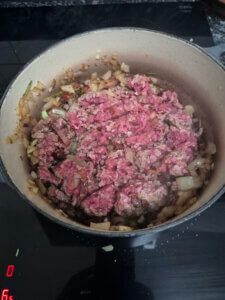
Then add tinned tomatoes, sundried tomatoes, and tomato puree and season with salt and pepper.
Place in the oven for 1 hour or longer to intensify the flavours further.
After 45 minutes, add your spaghetti to a large pot of salted boiling water.
When the spaghetti is cooked, drain it, leaving a little bit of water in the pan to stop the spaghetti from sticking.
Serve the Bolognese on the spaghetti with a large helping of Parmesan or mature cheddar.
Serve with a green salad, rocket goes well with the bolognese.